
Scientific & Medical Advisory Board
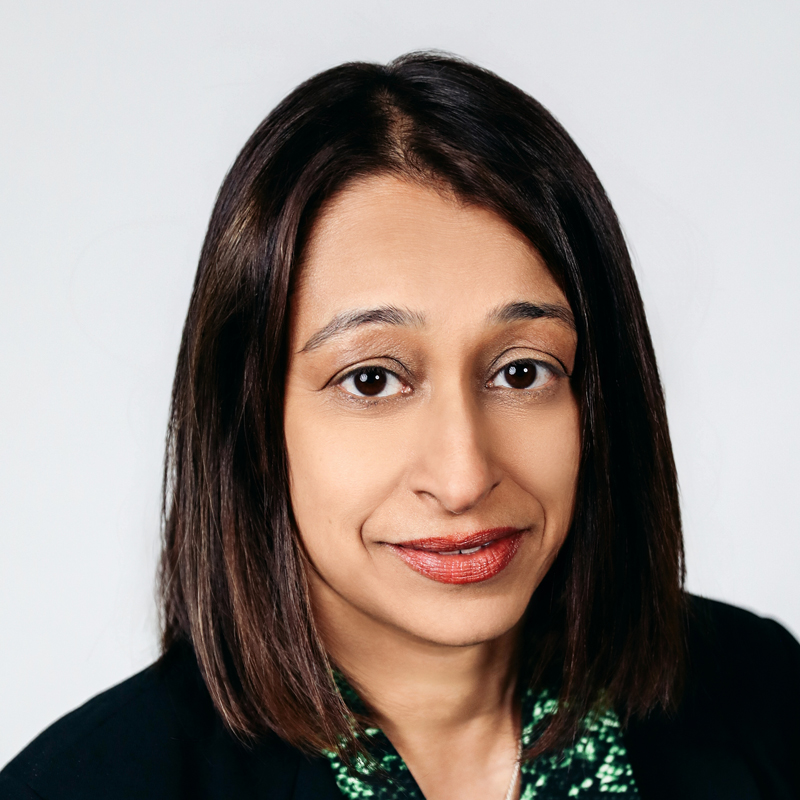
Nilo Azad, MD
Johns Hopkins University
CHAIR
Baltimore, Maryland
Nilo Azad, MD
Johns Hopkins University
CHAIR
Baltimore, Maryland
Dr. Azad is an Associate Professor of Oncology and a member of the Gastrointestinal Oncology Program within the Sidney Kimmel Comprehensive Cancer Center (SKCCC). She completed her fellowship in Medical Oncology at the National Cancer Institute and became a member of our faculty in July 2008. Since joining the faculty of the SKCCC at Johns Hopkins, Dr. Azad is the PI of numerous early phase clinical trials in solid tumors and gastrointestinal cancers. Dr. Azad is a clinically active medical oncologist and is the co-leader of the NCI funded UM1 Developmental Therapeutics clinical research program at the SKCCC, as well as the Cancer Genetics and Epigenetics Program . She is a member of both the Epigenetics and Colon Cancer Stand Up 2 Cancer Dream Teams, serving as a Principal on the latter. She has been a member of the NCI Colon Cancer Task Force, the Advisory Board of the Biden Cancer Initiative, and the Executive Board of The Cholangiocarcinoma Foundation, now serving as Vice-Chair, among others.
(Precision Therapeutics Initiative Group)
“We have been given such a gift to have found this particular calling, working with cancer patients.”
Can you tell us a bit about yourself?
I am a very fortunate physician that went into medicine thinking I was going to take care of patients, and by happenstance over the course of my training, was exposed to wonderful mentors and research leaders who whet my appetite to make a difference through clinical research. I am a faculty member at Johns Hopkins, where I work with the best group of doctors and other medical professions to take care of patients while working to increase the options available to them. I have a wonderful family and group of friends who provide my life’s foundation. I consider myself very lucky to get to do what I do.
Can you share one or two of your specific research interests?
I have an interest in combining novel agents to advance the therapeutic options for advanced cholangiocarcinoma patients. I am particularly interested in epigenetic and immunotherapies, both together, and how epigenetic alterations may impact the immune response.
Why did you decide to specialize in hepatobiliary cancers?
Good luck. I was running an early phase clinical trial in advanced solid tumors early in my career and saw some possible benefit for cholangiocarcinoma patients. I decided to open a dedicated trial arm to cholangiocarcinoma, and then it was off to the races. I began looking at all my drug development though the lens of how it might help cholangiocarcinoma patients, and how we might modify strategies to make them more appropriate to cholangiocarcinoma biology.
Can you describe one of the unforgettable moments in your patients care or research that has impacted your career?
The beauty of our job is that there is no one moment that encapsulates the meaning of what we do. Rather, our careers are an amalgamation of hundreds of people we have taken care of and worked with — all of whom have taught of the essence of what life is about. Family. Friendship. Health. Love. Generosity. Suffering. Perseverance. Intellectual Joy. We have been given such a gift to have found this particular calling, working with cancer patients.
Can you tell us one thing collaboration with colleagues could accomplish that you could not accomplish on your own?
The underpinnings of cancer biology are so complex that no one investigator has the needed expertise to understand all of the nuances of any given approach. Team science allows for us to assemble groups of people with varied skill sets and knowledge bases which dramatically improve the chance we will find a new treatment and eventual cure for this cancer.
If you had access to one resource that would move your research forward, what would that resource be?
More funding. There are so many exciting ideas that are delayed by the lack of funding to move them forward. For example, we have a personalized vaccine study that it extraordinarily expensive to generate for each patient. This kind of personalized immunotherapy approach is presently limited due to lack of funding.
How did you learn about the Cholangiocarcinoma Foundation?
Honestly, I don’t remember not knowing about CCF – it is so ubiquitous in cholangiocarcinoma patient and researcher circles.
Can you tell us why you became a member of the ICRN?
It is an exciting group of people that pushes me to refine my ideas and make them into reality and work with others to do the same with theirs. It is an incredibly giving group of caring doctors and researchers. What a great community.
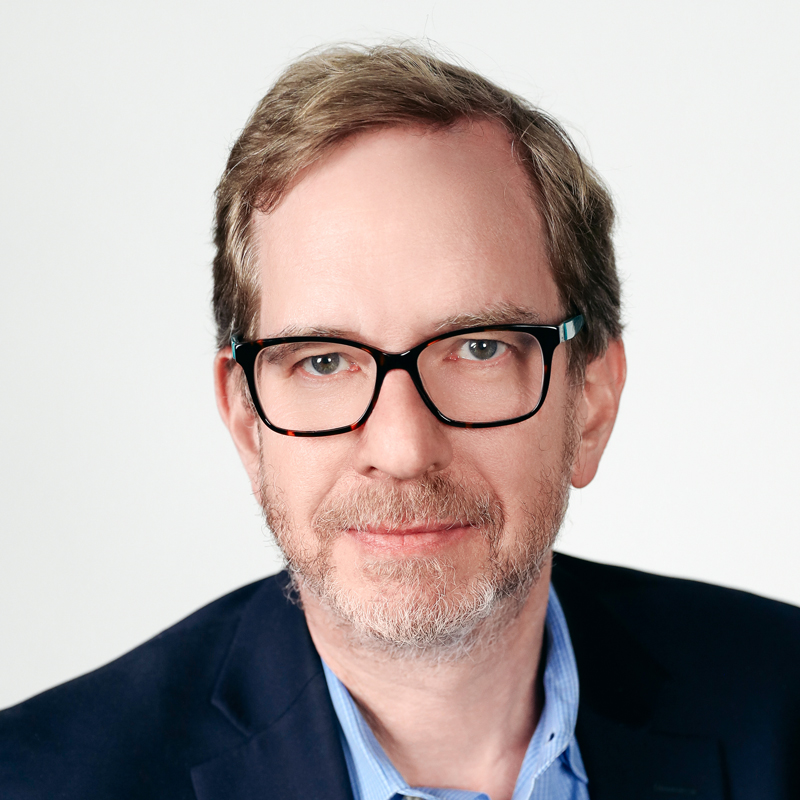
Ben Stanger, MD, PhD
University of Pennsylvania
CHAIR
Philadelphia, Pennsylvania
Ben Stanger, MD, PhD
University of Pennsylvania
CHAIR
Philadelphia, Pennsylvania
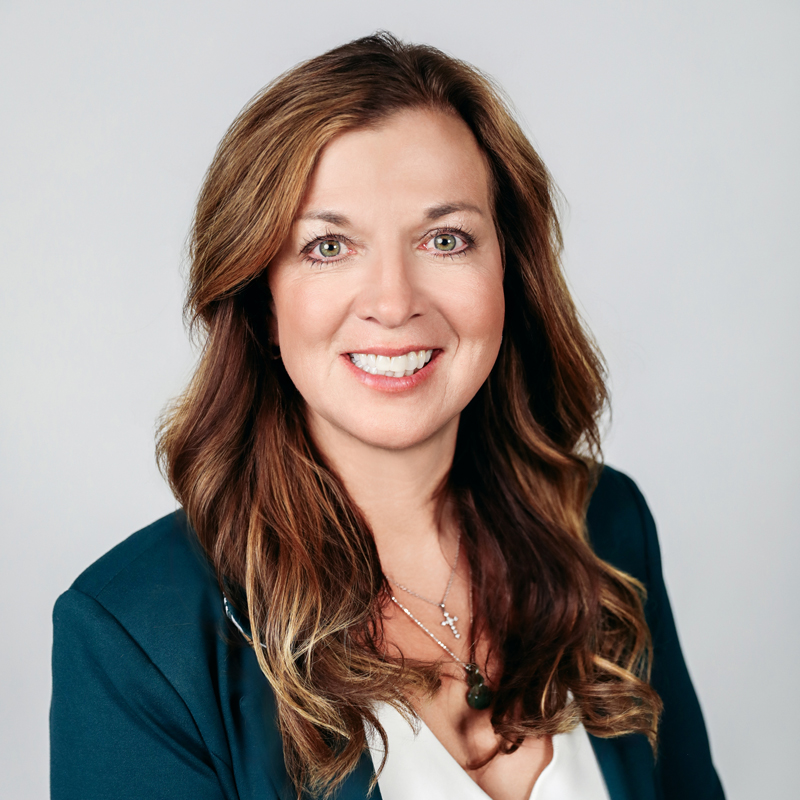
Melinda Bachini
Cholangiocarcinoma Foundation
CHIEF PATIENT OFFICER
Melinda Bachini
Cholangiocarcinoma Foundation
CHIEF PATIENT OFFICER
Melinda Bachini is a 15-year survivor of cholangiocarcinoma. She was treated at the National Cancer Institute with a clinical trial using Adoptive Cell Therapy.
Melinda is married and the mother of six children, grandmother to two, and two more on the way. She is passionate about patient advocacy and uses her experience with previous and current treatments to give great insight into patients participating in clinical trials. She shares her story with as many cancer patients as possible in hopes of giving support to those in need.
Melinda served as a patient advocate for the NCI Hepatobiliary Task Force, the NCI Patient Advocate Steering Committee (PASC) from April 2016 to December 2022. She is a patient advocate for the ECOG-ACRIN GI Committee, ECOG-ACRIN Cancer Research Advocacy Committee, the NCI Council of Research Advocates, and the NCCN Hepatobiliary Guidelines Panel.
Jesús Bañales
Biodonostia Health Research Institute – Donostia University Hospital San Sebastian
Jesús Bañales
Biodonostia Health Research Institute – Donostia University Hospital San Sebastian
“I find the liver a very exciting organ, with unique regenerative capacity and immunobiology, and major functions for the human body.”
Name: Jesus Banales
Organization: Biodonostia Health Research Institute – Donostia Univ. Hospital (BHRI-DUH), San Sebastian (Spain)
Can you tell us a bit about yourself?
I was born in Pamplona (Spain) in 1979, graduated in Biochemistry (2001) and obtained my PhD (2006) from the Univ. Navarra (UNAV) studying the molecular mechanisms of bile flow generation/regulation in healthy and cholestatic conditions. Then, I moved to the Mayo Clinic (Rochester, MN) to carry out a posdoc (2006-2008, 2010; under the supervision of Prof. Nicholas F. LaRusso) focused on the study of the sensory features of the cholangiocyte primary cilium and the pathogenesis of polycystic liver diseases. After my training in National (UNAV) and International (Servier Laboratories, Paris; Univ. Colorado, USA; Mayo Clinic, USA) Institutions, I joined the BHRI-DUH (San Sebastian, Spain) in 2012 as Head of the Liver Diseases Group, which currently contains 3 subgroups and 30 multidisciplinary scientists (molecular biologists, hepatologists, oncologists, radiologists and surgeons). Our group is focused on studying the molecular mechanisms involved in liver pathobiology (cholestasis, chronic liver injury, polycystic liver diseases, non-alcoholic fatty liver disease, cirrhosis, hepatocellular carcinoma and cholangiocarcinoma), and looking for new diagnostic, prognostic and therapeutic strategies. In 2020 I was promoted to Professor of Biomedine at Ikerbasque (Basque Foundation of Science).
Can you share one or two of your specific research interests?
Regarding cholangiocarcinoma, we are interested in the study of the genetic, epigenetic and molecular mechanisms involved in the malignant transformation of cholangiocytes, and in the mechanism of cancer progression, in order to search for accurate non-invasive biomarkers (diagnostic and prognostic) and new targets for therapeutic intervention. Moreover, in collaboration with chemists from the Basque Country, we are developing new chemotherapeutic drugs for their preclinical evaluation in cholangiocarcinoma. Finally, we are deeply collaborating within the European Network for the Study of Cholangiocarcinoma (ENS-CCA; www.enscca.org / www.eurocholangionet.eu) for the multidisciplinary study of this cancer within international collaborative research programs, including the European Cholangiocarcinoma Registry (E-CCA Registry) of patients.
Why did you decide to specialize in hepatobiliary cancers?
All my scientific carrier has been focused in the study of liver pathobiology. I find the liver a very exciting organ, with unique regenerative capacity and immunobiology, and major functions for the human body. In particular, I put special attention into the biliary system, evaluating the role of cholangiocytes in the regulation of the bile flow and immune-tolerance, as well as their alterations under different cholangiopathies, including cholangiocarcinoma. Due to the low awareness and knowledge on cholangiocarcinoma, and the dismal outcome of patients this cancer, I decided in 2012 to focus my attention and studies in cholangiocarcinoma. Then, in 2015, together with a group of friends and colleagues from the field, we created ENS-CCA, which is currently an important scientific network for the multidisciplinary study of cholangiocarcinoma, and an EASL (European Association for the Study of the Liver) consortium.
Can you describe one of the unforgettable moments in your patients care or research that has impacted your career?
An unforgettable moment was the first time I attended the Cholangiocarcinoma Foundation Meeting in 2019. I became so impressed about such unique meeting, which involves scientists, clinicians, patients, caregivers, advocates, and pharmaceutical companies with the only aim to improve patient´s care and life. I was impressed about the personal support and recognition received by the patients, which strongly motivate me for keep investigating on this cancer.
Can you tell us one thing collaboration with colleagues could accomplish that you could not accomplish on your own?
Science is a “we” not an “I”. This is a team effort that requires fair collaborations with other groups to move faster and better. ENS-CCA and ICRN are good examples of the importance of international collaborations. In science, there are multiple things interesting but less important. The important goal for cholangiocarcinoma is to improve the life of the people, so we must not to forget what is important when investigating interesting issues, and priorate the time and translation of the knowledge.
If you had access to one resource that would move your research forward, what would that resource be?
To involve more young scientists in the study of cholangiocarcinoma. Although material resources are fundamental, the most important talent in a research group is the people. We must to support, train and retain young talent scientists for working in this field in order to increase the knowledge on cholangiocarcinoma and the care and treatment of patients.
How did you learn about the Cholangiocarcinoma Foundation?
I learned about CCF by internet and colleagues some years ago, and in 2019 I was invited to attend the annual meeting in Salt Lake City for giving a talk about ENS-CCA and our research collaborative activities. Since then, I became strongly connected with CCF and ICRN. It is a great pleasure and honor for me to work and collaborate with them. They are doing an extraordinary work.
Can you tell us why you became a member of the ICRN?
ENS-CCA mainly involves European scientific groups because there are specific research funding grants from the European Commission to promote collaborative research within Europe. However, this collaborative vision is global and involves all the groups interested in cholangiocarcinoma worldwide, and of course the ICRN. We are trying to promote and boost more and more collaborations between ENS-CCA and ICRN, but also globally with Asia, and now with Latin America and Africa (through the recently created Ibero-Latin American Research Network on Cholangiocarcinoma (ILARN-CCA) and African Hepatopancreatico-biliary Cancer Consortium (AHPBCC). Moreover, in collaboration with the AMMF and CCF, it has been created the Global Cholangiocarcinoma Alliance with the mission to increase the global awareness on this cancer.

Chiara Braconi, MD, PhD
University of Glasgow
Chiara Braconi, MD, PhD
University of Glasgow
Chiara Braconi is a Full Professor and Chair in Hepatobiliary Oncology at the University of Glasgow, with a focus on biliary tract cancers (BTC). She holds an MD from the University of Ancona, Italy, and a PhD in Oncology. Her research integrates clinical practice with translational research to improve patient outcomes, specifically targeting drug resistance in BTC. Dr Braconi established a centralized biliary cancer clinic in Glasgow, facilitating a multidisciplinary approach and creating a research platform for personalized treatments. Her work spans biomarker discovery, cancer immunology, and patient-derived organoids (PDO), contributing to drug development and personalized medicine for BTC patients. Dr Braconi has led major initiatives like the REGBil study and secured significant funding from national and international bodies. She also plays a leadership role in several research networks, including the European Network for the Study of Cholangiocarcinoma (ENSCCA). Her impact extends to policy, with contributions to new staging systems for BTC and educational initiatives. Chiara’s research has resulted in over 50 publications, fostering international collaborations and advancing BTC treatment strategies.
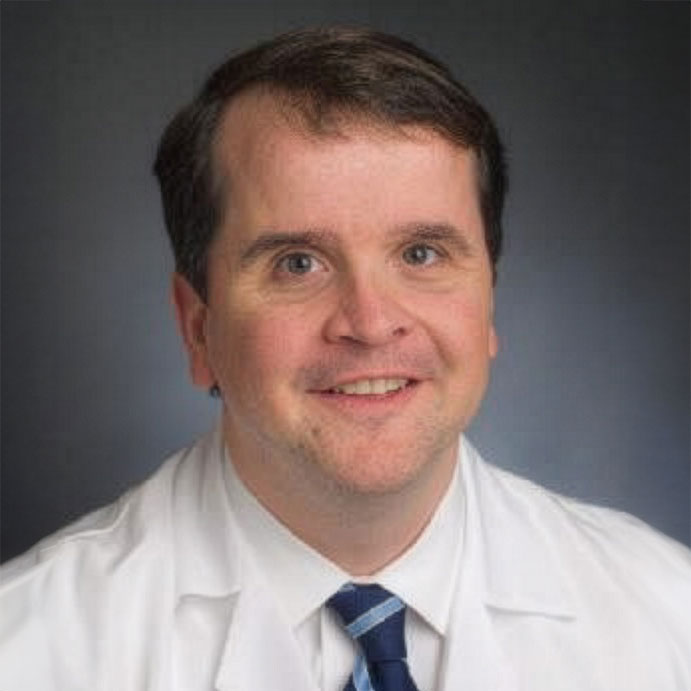
James Cleary, MD, PhD
Dana-Farber Cancer Institute
James Cleary, MD, PhD
Dana-Farber Cancer Institute
coming soon!

Haley Ellis, MD
Massachusetts General Hospital
Haley Ellis, MD
Massachusetts General Hospital
Dr. Haley Ellis is a medical oncologist and clinician-scientist at Massachusetts General Hospital / Harvard Medical School, where she specializes in biliary cancers and leads clinical trials. Her translational research focuses on cholangiocarcinoma tumor biology and therapeutic resistance mechanisms. She trained at Dana-Farber Cancer Institute, Memorial Sloan Kettering Cancer Center, Washington University, and University College Dublin. In addition to her clinical and research work, she is a member of the New England CARE Team.
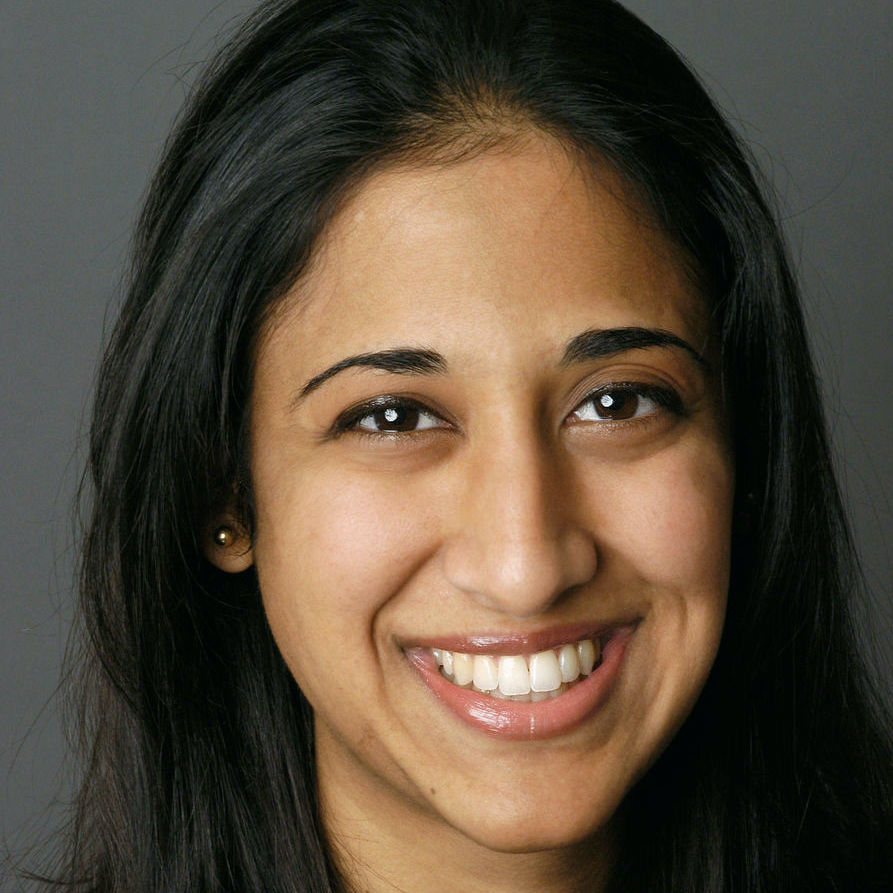
Lipika Goyal, MD
Stanford University
Lipika Goyal, MD
Stanford University
Lipika is an Assistant Professor of Medicine at Harvard Medical School and a member of the faculty in Gastrointestinal Medical Oncology at the Massachusetts General Hospital Cancer Center. She completed her undergraduate degree in neuroscience at the University of Pennsylvania and then received a Rhodes Scholarship to pursue a Master of Philosophy in Development Studies at the University of Oxford. She completed her medical degree from Harvard Medical School and then went on to do her residency from the Brigham and Woman’s Hospital and her hematology/oncology fellowship at the Dana Farber/Harvard Cancer Center. She currently leads the Liver Cancer Research Program at MGH and serves as the principal investigator of multiple clinical trials in hepatobiliary cancers. Dr. Goyal has been recognized for her work in understanding clinically acquired FGFR resistance in patients with FGFR2 fusion positive cholangiocarcinoma. She serves on the Hepatobiliary Cancers Panel of the National Comprehensive Cancer Network and the Steering Committee for National Cancer Institute Liver Cancer Moonshot Program. Her research is supported by American Cancer Society Clinical Scientist Development Grant, National Institutes of Health GI SPORE, the Department of Defense, and the Cholangiocarcinoma Foundation Andrea Marie Fuquay Research Fellowship.
(Genotype/Phenotype Initiative Group)

Tim Greten, MD
National Cancer Institute
Tim Greten, MD
National Cancer Institute
Dr. Tim Greten is a Senior Investigator and Co-Director of the NCI CCR Liver Cancer Program. He received training in Medical Oncology, Gastroenterology/Hepatology, and Tumorimmunology, and has been studying immunotherapy of liver cancer for almost 20 years

Sumera Ilyas, MD, PhD
Mayo Clinic
Sumera Ilyas, MD, PhD
Mayo Clinic
Eugene Koay
MD Anderson Cancer Center
Eugene Koay
MD Anderson Cancer Center
Dr. Koay is an Associate Professor in the Department of Radiation Oncology at MD Anderson Cancer Center and the Co-Director of Gastrointestinal Radiation Oncology for the MD Anderson Cancer Network. His research interests focus on designing clinical trials to make various radiotherapy technologies more effective with fewer side effects and use of quantitative diagnostic imaging and machine learning for early detection of hepatobiliary cancers.
(Big Data, AI, and Real-World Evidence Initiative Group)
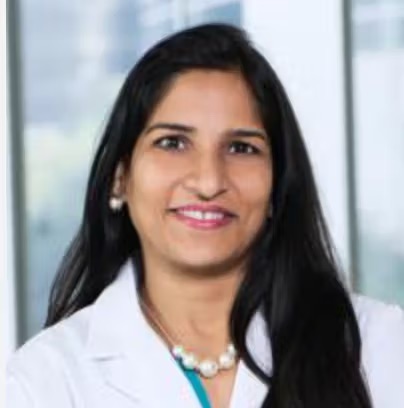
Sudha Kodali, MD
Houston Methodist
Sudha Kodali, MD
Houston Methodist
Dr. Sudha Kodali, MBBS, MSPH, is an Associate Professor of Clinical Medicine and a transplant hepatologist and gastroenterologist at Houston Methodist Academic Medicine Associates in Houston, Texas. She specializes in liver disease, including hepatocellular carcinoma, cholangiocarcinoma, and liver transplantation, and is dedicated to comprehensive patient-centered care and multidisciplinary collaboration. Dr. Kodali earned her medical degree from NTR University of Medical Sciences (Siddhartha Medical College) in India, completed her residency and fellowship in gastroenterology and hepatology at the University of Alabama at Birmingham and the University of Texas Southwestern Medical School, and holds board certifications in internal medicine, gastroenterology, and transplant hepatology. She is actively involved in clinical practice, research, and academic leadership within Houston Methodist and affiliated centers.
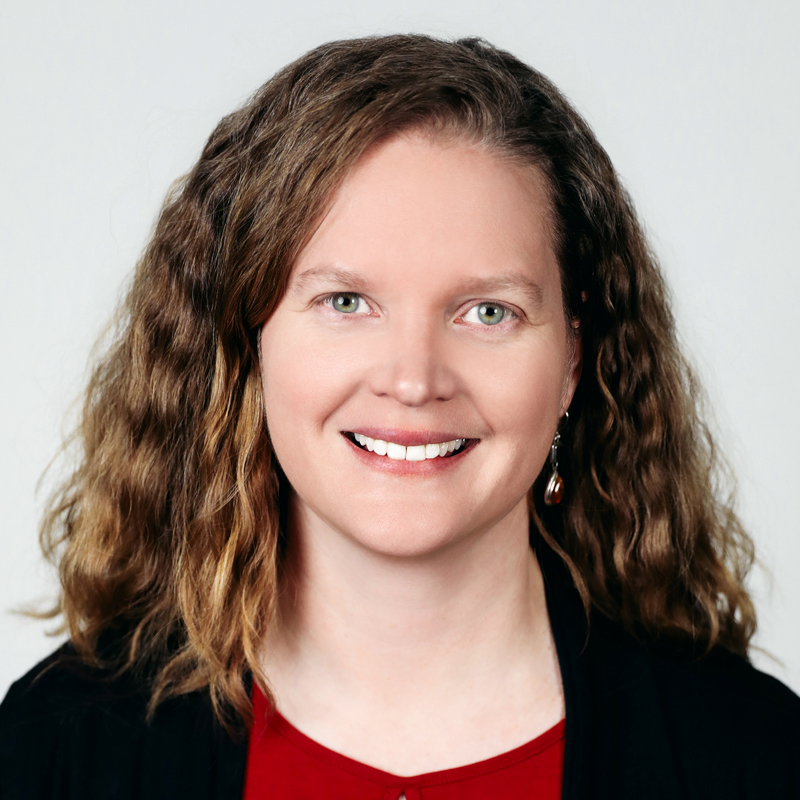
Jill Koshiol, PhD
National Institute of Health
Jill Koshiol, PhD
National Institute of Health

Gregory Lesinski, PhD
Emory-Winship Cancer Institute
Gregory Lesinski, PhD
Emory-Winship Cancer Institute
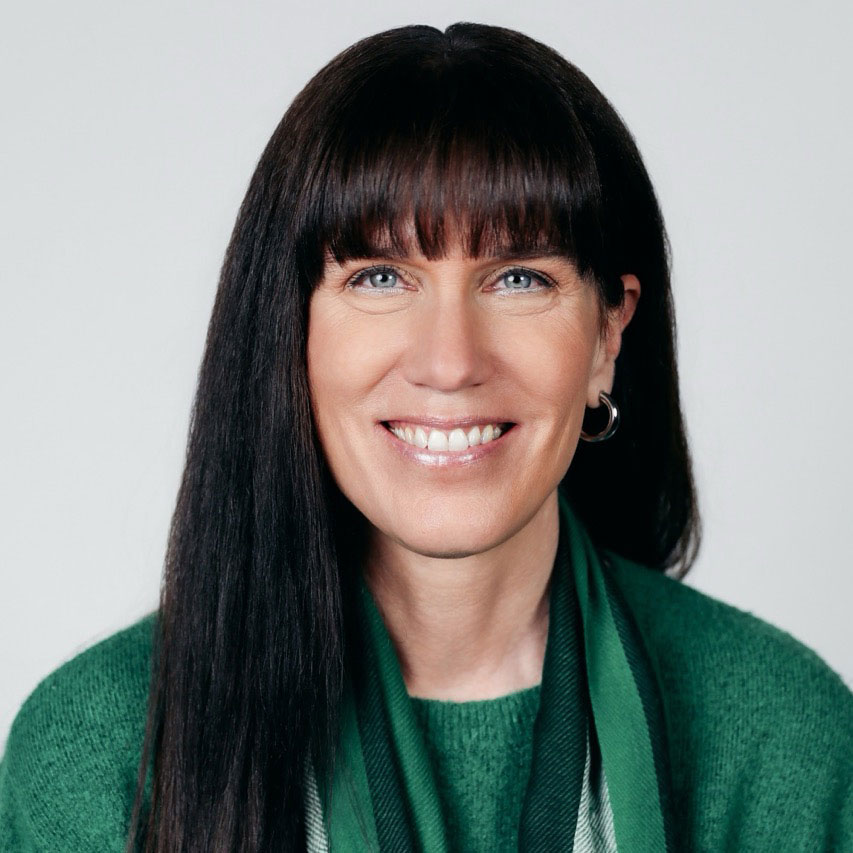
Stacie Lindsey
Cholangiocarcinoma Foundation
FOUNDER & CEO
Stacie Lindsey
Cholangiocarcinoma Foundation
FOUNDER & CEO
Stacie’s brother, Mark Clements, was diagnosed in 2005 and ultimately passed away from Cholangiocarcinoma on January 19, 2007. Stacie advocated for her brother, extensively researched treatment options, and began networking with other patients, scientists, and healthcare professionals. From this experience, the Cholangiocarcinoma Foundation was born.
Stacie is a founding member and has served on the Board of Directors since its inception. Stacie resides in Lehi, Utah, where she has five children. She holds a Bachelor of Arts degree in Psychology from Brigham Young University and studied nonprofit leadership at Harvard Business School. Stacie is an active member of her church and community.
Funda Meric-Bernstam, MD
MD Anderson Cancer Center
Funda Meric-Bernstam, MD
MD Anderson Cancer Center
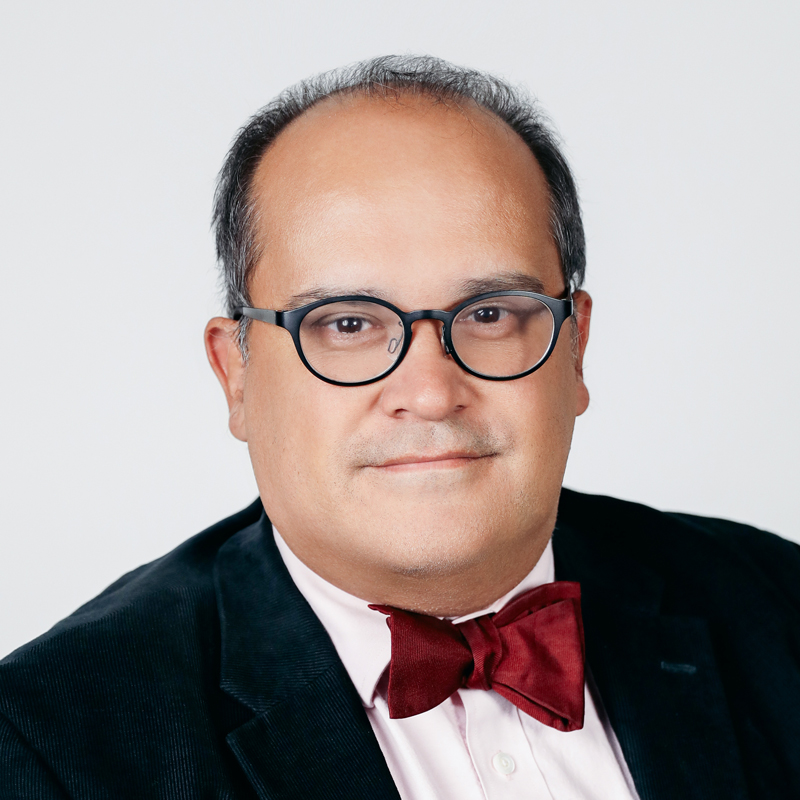
Flavio Rocha, MD, FACS, FSSO
Oregon Health & Science University
Flavio Rocha, MD, FACS, FSSO
Oregon Health & Science University
Dr. Rocha is a surgical oncologist and hepatopancreatobiliary surgeon in the Section of General, Thoracic and Vascular Surgery at Virginia Mason Medical Center in Seattle. In addition he is the Director of Research in the Digestive Disease Institute and Associate Medical Director of the Floyd and Delores Jones Cancer Institute. He holds an appointment as a Clinical Associate Professor of Surgery at the University of Washington and Clinical Professor of Medical Education and Clinical Sciences at Washington State University. After attending the Pritzker School of Medicine at the University of Chicago, Dr. Rocha completed a residency in general surgery at the Brigham and Women’s Hospital and a postdoctoral research fellowship in tissue engineering at Harvard Medical School, both in Boston. After residency, he served as a surgical oncology and hepatopancreatobiliary surgery fellow at Memorial Sloan-Kettering Cancer Center in New York City. His clinical practice encompasses all aspects of benign and malignant disease of the liver, bile ducts and pancreas. As an investigator at the Benaroya Research Institute in Seattle, his research is focused on biomarker discovery and novel therapeutics in pancreaticobiliary cancer. He has been funded by ASCO and the Cholangiocarcinoma Foundation. He currently sits on the editorial boards of HPB, Annals of Surgical Oncology, Journal of Surgical Oncology and PLoS ONE. In addition, he is the current Chair of the Membership Committee in the AHPBA and Vice-Chair of the SWOG Surgery Committee. Lastly, he has served on the Pancreas Task Force at the NCI and is the surgical lead of the International Cholangiocarcinoma Research Network.
(Liquid Biopsy Initiative Group)
“I am always amazed by the courage of my patients, particularly in the face of adversity.”
Can you tell us a bit about yourself?
I am surgical oncologist with a both a clinical and research focus in tumors of the liver, biliary tract and pancreas. I serve as the Division Head of Surgical Oncology at Oregon Health and Science University and Physician-in-Chief of the Knight Cancer Institute, both in Portland, OR. In my spare time, I like to travel and take photographs particularly in the beautiful Pacific Northwest with my family and golden retriever. Originally from Brazil, I do enjoy the beach and am an avid soccer fan.
Can you share one or two of your specific research interests?
My interests lie in biomarker discovery and validation for pancreatobiliary cancers. Their use for early detection, response to therapy and prognostic evaluation can help us improve our treatment modalities. I am also heavily involved in the NCTN Cooperative Groups in order to help design and execute novel therapeutic trials particularly in the localized space.
Why did you decide to specialize in hepatobiliary cancers?
As a trainee, I was attracted to the complexities of the anatomy and physiology of the liver and pancreas. These were also the most challenging operations to perform and master in the abdomen. Lastly, I felt this was a disease where I could perhaps make the most impact.
Can you describe one of the unforgettable moments in your patients care or research that has impacted your career?
I am always amazed by the courage of my patients, particularly in the face of adversity.
Can you tell us one thing collaboration with colleagues could accomplish that you could not accomplish on your own?
The neoadjuvant chemotherapy trial for intrahepatic cholangiocarcinoma is a great example of an ICRN effort that could not have been accomplished in any one institution.
If you had access to one resource that would move your research forward, what would that resource be?
We are always looking for funding and also to be able to expand clinical trials abroad, particularly in Asia.
How did you learn about the Cholangiocarcinoma Foundation?
I was fortunate to receive the inaugural ASCO Young Investigator Award sponsored by the Cholangiocarcinoma Foundation. This initial support lead to my ability to dedicate my career to the field.
Can you tell us why you became a member of the ICRN?
In order to connect with my fellow colleagues around the country and the world especially those in different oncologic specialties. We have been able to perform studies, launch efforts and complete clinical trials with the dedication and support of the ICRN.
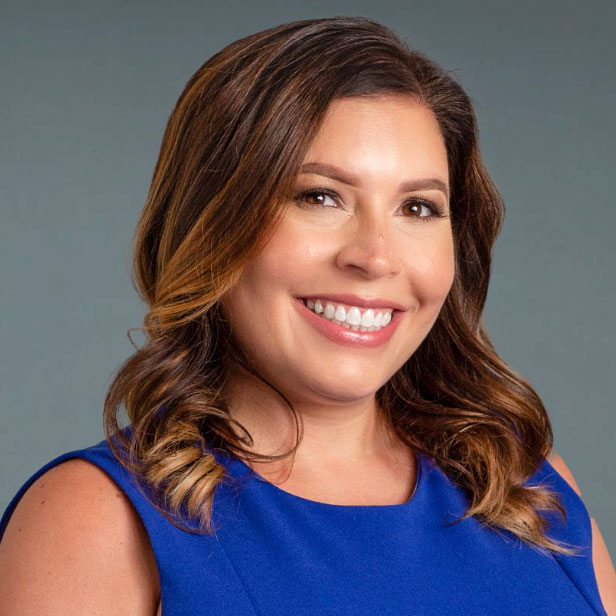
Kristen Spencer, DO
NYU
Kristen Spencer, DO
NYU
I lost my mother to metastatic colorectal cancer when I was eight years old—conquering cancer has been my life’s mission.
I am the director of the Phase 1 Program at NYU Langone Perlmutter Cancer Center. We assess the effectiveness of immunotherapies, targeted therapies, and other cancer treatments when they are in the earliest stage of their clinical trials. My mission is to ensure access to innovative cancer treatments for all patients, so researchers can continue to move the needle in cancer care. Access to new therapies was a cornerstone of my mother’s treatment, and early phase research has the potential to find answers where there may not have been any before.
My own research focus is on the treatment of tumors of the pancreas and hepatobiliary system, which includes the liver, bile ducts, and gallbladder. I am the author or co-author of several publications, reviews, book chapters, and abstracts reporting on these cancers. I have also published on my clinical experience with immunotherapy. I have specialty research training through the Cancer Therapy Evaluation Program Advanced Drug Development Fellowship and the American Association for Cancer Research and American Society of Clinical Oncology’s Methods in Clinical Cancer Research Workshop.
My research and training inform my clinical care. As a member of the Gastrointestinal Disease Management Group at Perlmutter Cancer Center, I primarily see patients who have pancreatic and hepatobiliary tumors. I also manage esophageal, small intestine, colorectal, and other cancers of the digestive tract. I consider my patients to be partners in the decision-making process, and I respect their choices. I work closely with a team of surgical oncologists, radiation oncologists, nurses, social workers, nutritionists, genetic specialists, and other health providers to help patients understand their condition. In addition, I take a holistic approach to care, placing an emphasis on quality of life and complementary therapies.
On a national level, I am chair of the Genomics Subcommittee of the ECOG-ACRIN Cancer Research Group. I am also chair of the ECOG-ACRIN hepatopancreatobiliary working group and a member of the organization’s Task Force on Advancement for Women. Additionally, I am on the National Cancer Institute Gastrointestinal Steering Committee’s Hepatobiliary Task Force.

Sameek Roychowdhury, MD, PhD
The Ohio State University
Sameek Roychowdhury, MD, PhD
The Ohio State University
Dr. Roychowdhury is an Assistant Professor in the Department of Internal Medicine and the Department of Pharmacology at Ohio State University. As a member of the Translational Therapeutics Program at the Ohio State University Comprehensive Cancer Center, he is developing clinical trials focused on genomic alterations to identify optimal therapies for patients.
(Liquid Biopsy Initiative Group)
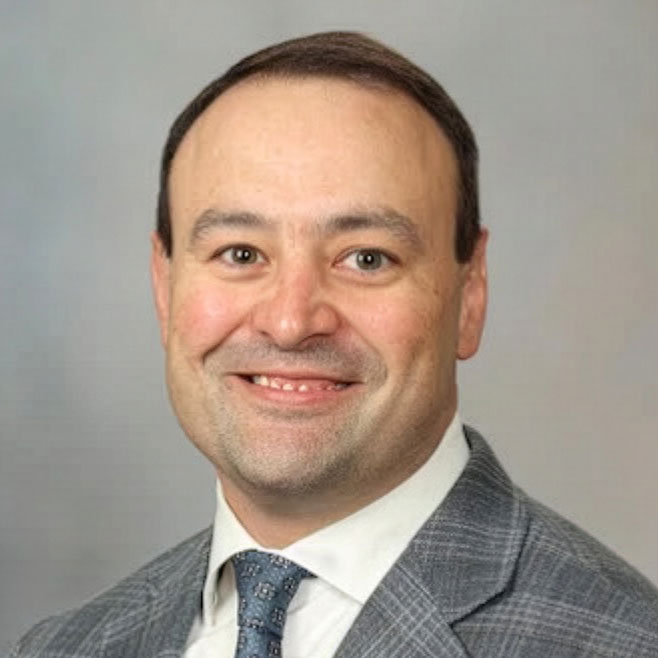
Rory Smoot, MD
Mayo Clinic
Rory Smoot, MD
Mayo Clinic
bio coming soon!
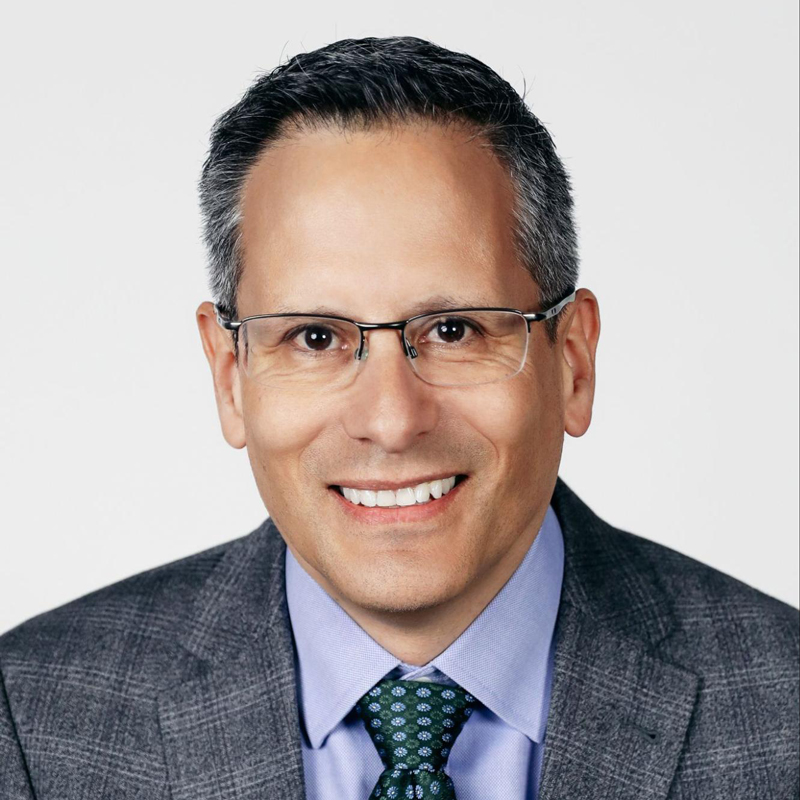
Juan Valle, MB, ChB, MSc, FRCP
Cholangiocarcinoma Foundation
Juan Valle, MB, ChB, MSc, FRCP
Cholangiocarcinoma Foundation
Dr. Valle most recently served as a professor and honorary consultant in medical oncology at the University of Manchester and The Christie NHS Foundation Trust in Manchester, UK. Dr. Valle was part of a team establishing the first standard of care for patients with advanced cholangiocarcinoma in 2009 and is a founding member of the International Biliary Tract Cancer Consortium. He chaired the UK National Cancer Research Institute neuroendocrine subgroup and was a member of the hepatobiliary and pancreatic cancer subgroups. His research focused on developing new therapies for pancreatic, biliary, and neuroendocrine cancers, and he has been instrumental in designing and developing many clinical trials.
Throughout his career, Dr. Valle has made significant contributions to the field, authored numerous publications, including over 300 scientific articles, and received multiple research grants to support his work. His research set the standard for patient care in cholangiocarcinoma.
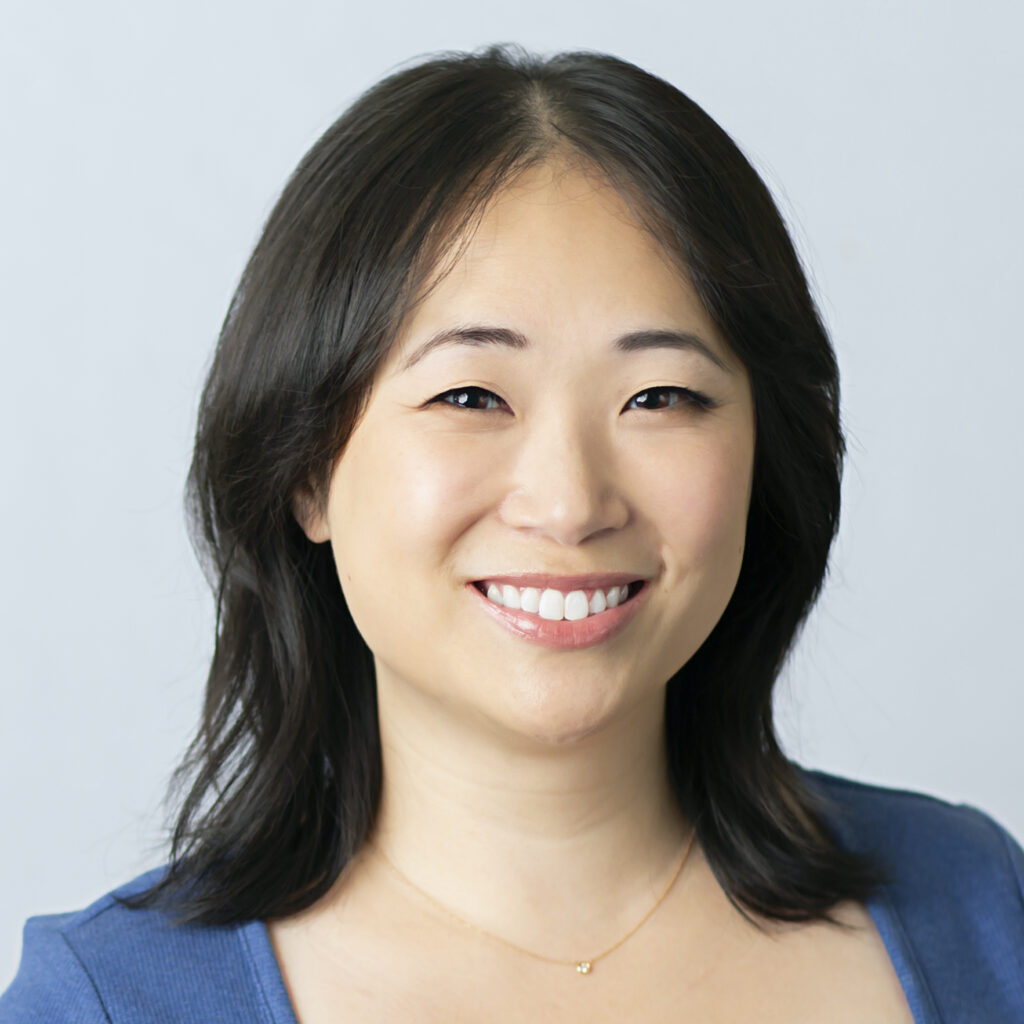
Jennifer Wild, RN, MS, BSN
University of California, San Francisco
Jennifer Wild, RN, MS, BSN
University of California, San Francisco
Jenn is a hepatobiliary nurse at the UCSF Cancer Center where she works with Dr. Katie Kelley and Dr. John Gordan. Several of her family members have been affected by hepatobiliary disorders and she is grateful to serve this population. Jenn is a clinical leader at UCSF on a variety of nursing councils and patient care improvement groups and she has worked with Drs. Kelley and Gordan as a data analyst in some of their published research studies.
Jenn completed her nursing degree at the University of Illinois at Chicago (BSN) and earned a master’s degree in Health Policy from UCSF (MS). She is board certified in oncology nursing (OCN). She was a theater manager and comedy instructor in San Francisco and did her stage training in Chicago.
Scientific & Medical Advisory Board Emeritus Members
Ghassan Abou-Alfa
Nabeel Bardeesy, PhD
Mitesh Borad, MD
Donald Coppock, PhD
Crystal Denlinger
Cristina R. Ferrone, MD
Laura Goff, MD
Greg Gores, MD
Paige Griffith, RN, NP
Ted Hong, MD
Milind Javle, MD
Katie Kelley, MD
Shishir Maithel, MD
Lewis Roberts, MB, ChB, PhD
Rachna Shroff, MD
Virote Sriuranpong, MD, PhD
Nursing and Allied Health Professionals Advisory Board (NAAB)
Jennifer Wild, RN, MS, BSN
University of California, San Francisco
Chair
Jennifer Wild, RN, MS, BSN
University of California, San Francisco
Chair
Jenn is a hepatobiliary nurse at the UCSF Cancer Center where she works with Dr. Katie Kelley and Dr. John Gordan. Several of her family members have been affected by hepatobiliary disorders and she is grateful to serve this population. Jenn is a clinical leader at UCSF on a variety of nursing councils and patient care improvement groups and she has worked with Drs. Kelley and Gordan as a data analyst in some of their published research studies.
Jenn completed her nursing degree at the University of Illinois at Chicago (BSN) and earned a master’s degree in Health Policy from UCSF (MS). She is board certified in oncology nursing (OCN). She was a theater manager and comedy instructor in San Francisco and did her stage training in Chicago.
Dean Belcher, RN, tACP
The Christie Hospital
Manchester England
Dean Belcher, RN, tACP
The Christie Hospital
Manchester England

Paige Griffith, RN, NP
Johns Hopkins University
Paige Griffith, RN, NP
Johns Hopkins University
Kirsten Hernandez, BSN, RN
MD Anderson Cancer Center
Kirsten Hernandez, BSN, RN
MD Anderson Cancer Center

Donna M. Hrones, MS, CNS, ACNP-BC
National Cancer Institute National Institutes of Health
Donna M. Hrones, MS, CNS, ACNP-BC
National Cancer Institute National Institutes of Health
Donna M. Hrones, MS, CNS, ACNP-BC is a board-certified Nurse Practitioner currently working with the Gastrointestinal Malignancy Branch at the National Cancer Institute.
Her experience is in the medical management of patients with solid tumor GI cancers specifically with pancreas, colon, and hepatobiliary cancers.
Donna received her Master of Science with a specialty in acute, emergency and critical care nursing.
Carrie Kleinschmidt, RN-BSN
Mayo Clinic
Carrie Kleinschmidt, RN-BSN
Mayo Clinic
Laura LaPaglia Swift, BSN, RN
Carolina Medical Center, HPB Nurse Navigator
Laura LaPaglia Swift, BSN, RN
Carolina Medical Center, HPB Nurse Navigator

Molly Meeks, RN, BSN, OCN
Banner University Medical Center, Arizona
Molly Meeks, RN, BSN, OCN
Banner University Medical Center, Arizona
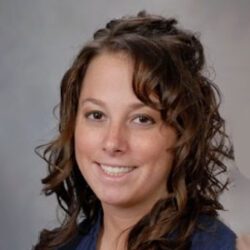
Kaitlyn R. Musto, PA-C, MSPAS
Mayo Clinic
Kaitlyn R. Musto, PA-C, MSPAS
Mayo Clinic
Kaitlyn R. Musto, PA-C, MSPAS, is a board-certified physician assistant currently working with the Department of Transplant Surgery at Mayo Clinic in Jacksonville, FL.
She is an AASLD NP/PA Clinical Hepatology Fellowship recipient and received her Master of Science in Physician Assistant Studies at South University in Savannah, GA.
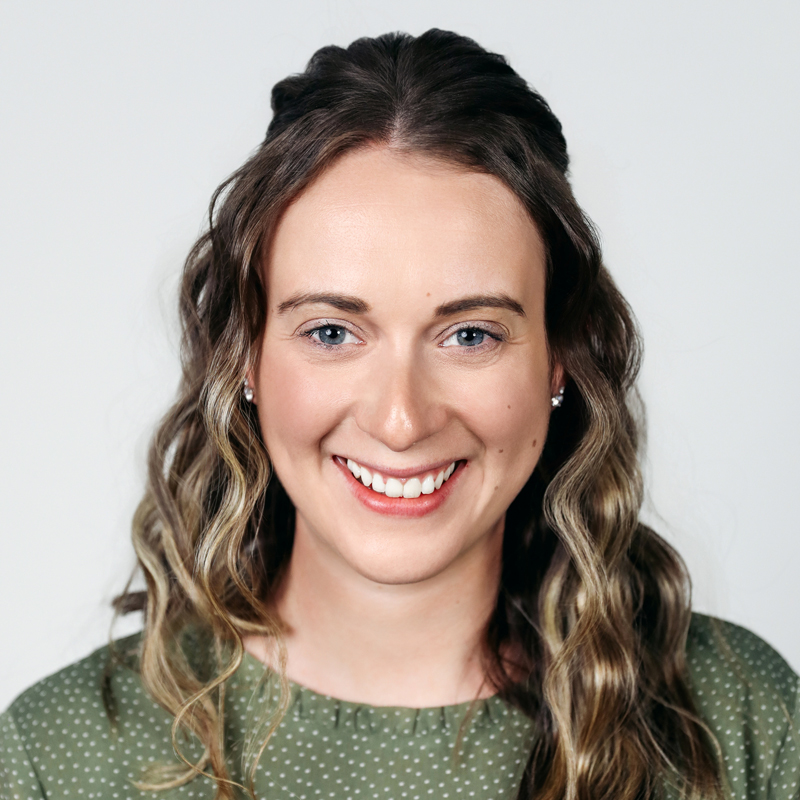
Jenna O’Rourke, NP
Beth Israel Deaconess Medical Center
Jenna O’Rourke, NP
Beth Israel Deaconess Medical Center
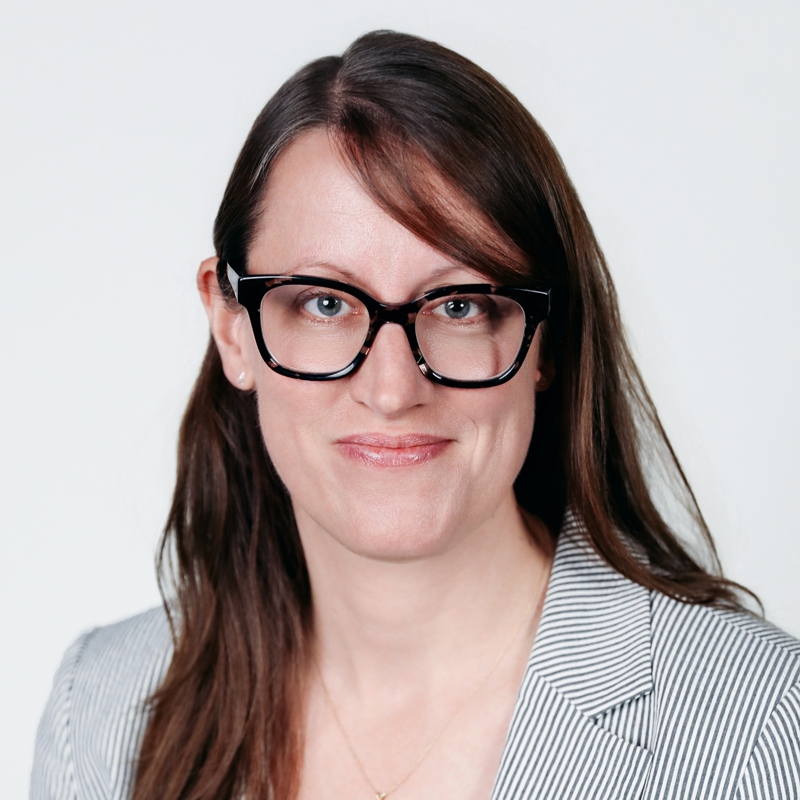
Julie Palmer-Hoffman, MSN, MA, AGACNP-BC, ACHPN
Hartford Healthcare
Julie Palmer-Hoffman, MSN, MA, AGACNP-BC, ACHPN
Hartford Healthcare
Julie Palmer-Hoffman, MSN, MA, AGACNP-BC, ACHPN, currently practices as a Palliative Care Nurse Practitioner at Hartford HealthCare, where she cares primarily for patients with advanced cancer. Julie trained at Yale University School of Nursing, where she specialized in Adult/Gerontology Acute Care and Oncology. She also maintains specialty certification as an Advanced Certified Hospice and Palliative Nurse.
Julie worked previously in academic publishing as a writer and editor and holds a master’s in modern literature from University College London. It was her experience as a caregiver for her mother, who was diagnosed with advanced cholangiocarcinoma in 2011, that motivated her to return to graduate school to pursue a second career in nursing.
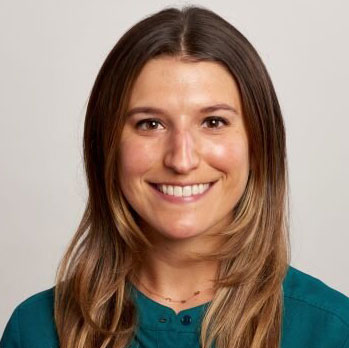
Chelsey Schneider, MS, RD, CSO CDN
Savor Health
Chelsey Schneider, MS, RD, CSO CDN
Savor Health
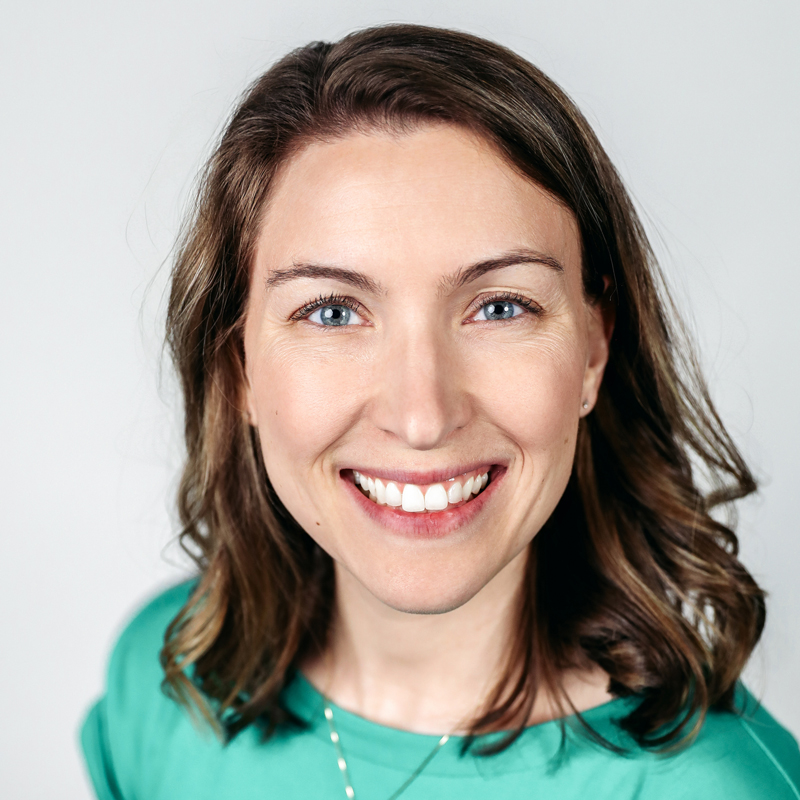
Leslie Swanson, AGPCNP-BC
University of Washington/Seattle Cancer Care Alliance
Leslie Swanson, AGPCNP-BC
University of Washington/Seattle Cancer Care Alliance
The Nursing and Allied Health Professionals Advisory Board (NAAB) is comprised of licensed healthcare professionals who are currently practicing in cancer research centers and have expertise in managing patients with cholangiocarcinoma (bile duct cancer).
MEMBERSHIP
There are no term limits, but active participation is required for quarterly virtual meetings and attendance at the Cholangiocarcinoma Foundation Annual Conference in Salt Lake City in the spring.
In addition to nurses (RN, MSN, DNP), membership is open to licensed:
- Dieticians
- Pharmacists
- Therapists (Physical, Occupational, Speech)
- Social Workers
PURPOSE
NAAB works with the Scientific Medical Advisory Board (SMAB) and the CCF Advocacy Team to develop and share education tailored for patients, caregivers, and healthcare professionals.
Activities Include:
- Clinical nursing practice guidelines
- Conference presentations and updates
- Educational webinars for patients/caregivers
- Abstracts and poster presentations at national cancer conferences
If your expertise and interest align with NAAB’s work, please send your information and CV to research@curecca.org.
The Nursing Advisory Board is comprised of nursing and allied health professionals practicing in cancer research centers throughout the US and UK with expertise in care of patients with cholangiocarcinoma. Their goal is to advance the scientific knowledge of the symptom experience and quality of life of patients with cholangiocarcinoma. This is being accomplished through collaboration with the Medical Advisory Board in the development and publication of Clinical Nursing Practice Guidelines (CNPG’s) for patients with cholangiocarcinoma. The CNPG’s include essential content for practice to enable the nurse to feel confident and competent in the care of patients with cholangiocarcinoma. The Nursing Advisory Board conducted a systematic review to assess the current state of nursing knowledge consistent with national standards and guidelines of care previously established along with current institutional practice. The CNPG’s model utilizes the nursing process with a summarized guideline format to include Goals/Outcomes of Care, Assessment and Interventions with references for each. References have been reviewed utilizing the John Hopkins Nursing Evidence Rating Scale.
The CNPG’s available are:
- Care of the patient with external biliary drains and internal bile duct stents
- Care of the patient with intractable nausea and vomiting
- Care of the patient with fatigue
- Care of the patient on weekly Gemcitabine and Cisplatin
- Care of the patient receiving photon radiation
- Care of the patient receiving protons on a clinical trial
- Care of the patient preparing for liver transplantation
- Care of the patient with ineffective coping and mindfulness
Updated NCCN Guidelines for Patients:
ICRN Committee Members
Data Committee Co-Chairs
Juan Valle, MB, ChB, MSc, FRCP
Cholangiocarcinoma Foundation
BOULDER, COLORADO
Juan Valle, MB, ChB, MSc, FRCP
Cholangiocarcinoma Foundation
BOULDER, COLORADO
Dr. Valle most recently served as a professor and honorary consultant in medical oncology at the University of Manchester and The Christie NHS Foundation Trust in Manchester, UK. Dr. Valle was part of a team establishing the first standard of care for patients with advanced cholangiocarcinoma in 2009 and is a founding member of the International Biliary Tract Cancer Consortium. He chaired the UK National Cancer Research Institute neuroendocrine subgroup and was a member of the hepatobiliary and pancreatic cancer subgroups. His research focused on developing new therapies for pancreatic, biliary, and neuroendocrine cancers, and he has been instrumental in designing and developing many clinical trials.
Throughout his career, Dr. Valle has made significant contributions to the field, authored numerous publications, including over 300 scientific articles, and received multiple research grants to support his work. His research set the standard for patient care in cholangiocarcinoma.
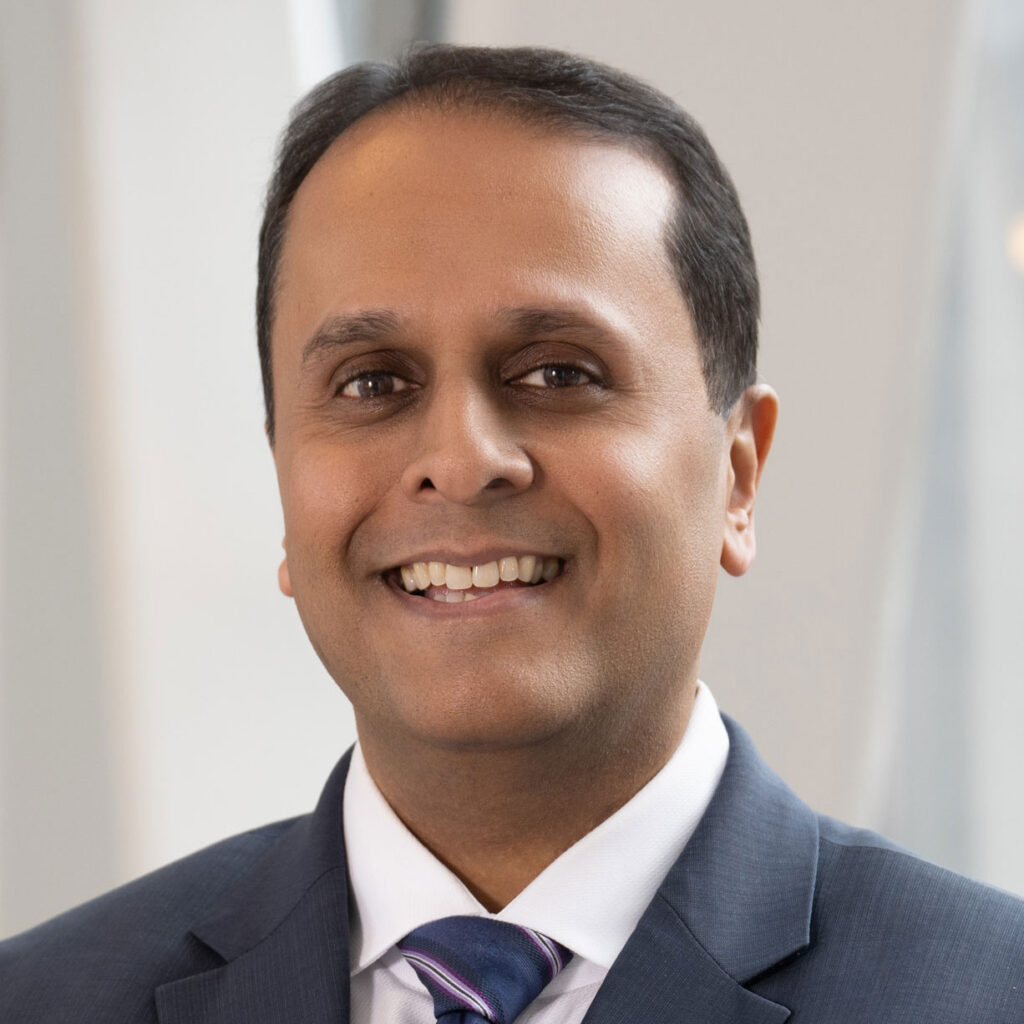
Shishir K. Maithel, MD
Northwestern University
Shishir K. Maithel, MD
Northwestern University
Dr. Maithel is a Professor of Surgery in the Division of Surgical Oncology at Emory University School of Medicine, and the Scientific Director of the Emory Liver and Pancreas Center and Katz Foundation Research Program in Surgical Oncology. He is a member of the Discovery and Developmental Therapeutics Research Program at Winship Cancer Institute. He is leading several national clinical trials. His research interests focus on identifying tumor-specific molecular biomarkers as predictors of treatment outcomes for hepatobiliary cancers.
(Neoadjuvant Targeted Therapy Initiative Group)
“I continually learn from and am inspired by the strength of my patients on a daily basis. Patients are placed in positions where they must endure so much more than I have ever experienced in my own life.”
Can you tell us a bit about yourself?
I am a Professor of Surgery, Scientific Director of the Emory Liver and Pancreas Center, and Director of the Katz Foundation Research Fellowship in Surgical Oncology at Emory University, Winship Cancer Institute.
Can you share one or two of your specific research interests?
Along with leading multiple collaborative research efforts across the United States and being the National Principal Investigator of the US Extrahepatic Biliary Malignancy Consortium, I am leading several clinical trials that focus on delivering novel neoadjuvant therapy regimens to patients prior to undergoing resection of their tumors.
Why did you decide to specialize in hepatobiliary cancers?
There is so much to learn in treating these cancers. The research possibilities and opportunities for clinical trials was very attractive to me. Furthermore, as a Surgical Oncologist, I found the anatomy, physiology, and technical challenges in the operating room very appealing.
Can you describe one of the unforgettable moments in your patients care or research that has impacted your career?
I continually learn from and am inspired by the strength of my patients on a daily basis. Patients are placed in positions where they must endure so much more that I have ever experienced in my own life. Their demonstration of the resilience of the human spirit is truly inspiring on a daily basis.
Can you tell us one thing collaboration with colleagues could accomplish that you could not accomplish on your own?
Conducting clinical trials and quality research is all about cooperating and collaborating with colleagues. I could not have accomplished any of my research without the support, mentorship, and friendship from my colleagues around the country and world.
If you had access to one resource that would move your research forward, what would that resource be?
An endless pot of money.
How did you learn about the Cholangiocarcinoma Foundation?
I was introduced to the CCF by my colleague Dr. Flavio Rocha in 2015.
Can you tell us why you became a member of the ICRN?
The ICRN provided a strong and rich environment to develop research ideas and a vast network in which to conduct clinical trials.
Program Organizing Committee Co-Chairs
Flavio Rocha, MD, FACS, FSSO
Oregon Health & Science University
Flavio Rocha, MD, FACS, FSSO
Oregon Health & Science University
Dr. Rocha is a surgical oncologist and hepatopancreatobiliary surgeon in the Section of General, Thoracic and Vascular Surgery at Virginia Mason Medical Center in Seattle. In addition he is the Director of Research in the Digestive Disease Institute and Associate Medical Director of the Floyd and Delores Jones Cancer Institute. He holds an appointment as a Clinical Associate Professor of Surgery at the University of Washington and Clinical Professor of Medical Education and Clinical Sciences at Washington State University. After attending the Pritzker School of Medicine at the University of Chicago, Dr. Rocha completed a residency in general surgery at the Brigham and Women’s Hospital and a postdoctoral research fellowship in tissue engineering at Harvard Medical School, both in Boston. After residency, he served as a surgical oncology and hepatopancreatobiliary surgery fellow at Memorial Sloan-Kettering Cancer Center in New York City. His clinical practice encompasses all aspects of benign and malignant disease of the liver, bile ducts and pancreas. As an investigator at the Benaroya Research Institute in Seattle, his research is focused on biomarker discovery and novel therapeutics in pancreaticobiliary cancer. He has been funded by ASCO and the Cholangiocarcinoma Foundation. He currently sits on the editorial boards of HPB, Annals of Surgical Oncology, Journal of Surgical Oncology and PLoS ONE. In addition, he is the current Chair of the Membership Committee in the AHPBA and Vice-Chair of the SWOG Surgery Committee. Lastly, he has served on the Pancreas Task Force at the NCI and is the surgical lead of the International Cholangiocarcinoma Research Network.
(Liquid Biopsy Initiative Group)
“I am always amazed by the courage of my patients, particularly in the face of adversity.”
Can you tell us a bit about yourself?
I am surgical oncologist with a both a clinical and research focus in tumors of the liver, biliary tract and pancreas. I serve as the Division Head of Surgical Oncology at Oregon Health and Science University and Physician-in-Chief of the Knight Cancer Institute, both in Portland, OR. In my spare time, I like to travel and take photographs particularly in the beautiful Pacific Northwest with my family and golden retriever. Originally from Brazil, I do enjoy the beach and am an avid soccer fan.
Can you share one or two of your specific research interests?
My interests lie in biomarker discovery and validation for pancreatobiliary cancers. Their use for early detection, response to therapy and prognostic evaluation can help us improve our treatment modalities. I am also heavily involved in the NCTN Cooperative Groups in order to help design and execute novel therapeutic trials particularly in the localized space.
Why did you decide to specialize in hepatobiliary cancers?
As a trainee, I was attracted to the complexities of the anatomy and physiology of the liver and pancreas. These were also the most challenging operations to perform and master in the abdomen. Lastly, I felt this was a disease where I could perhaps make the most impact.
Can you describe one of the unforgettable moments in your patients care or research that has impacted your career?
I am always amazed by the courage of my patients, particularly in the face of adversity.
Can you tell us one thing collaboration with colleagues could accomplish that you could not accomplish on your own?
The neoadjuvant chemotherapy trial for intrahepatic cholangiocarcinoma is a great example of an ICRN effort that could not have been accomplished in any one institution.
If you had access to one resource that would move your research forward, what would that resource be?
We are always looking for funding and also to be able to expand clinical trials abroad, particularly in Asia.
How did you learn about the Cholangiocarcinoma Foundation?
I was fortunate to receive the inaugural ASCO Young Investigator Award sponsored by the Cholangiocarcinoma Foundation. This initial support lead to my ability to dedicate my career to the field.
Can you tell us why you became a member of the ICRN?
In order to connect with my fellow colleagues around the country and the world especially those in different oncologic specialties. We have been able to perform studies, launch efforts and complete clinical trials with the dedication and support of the ICRN.
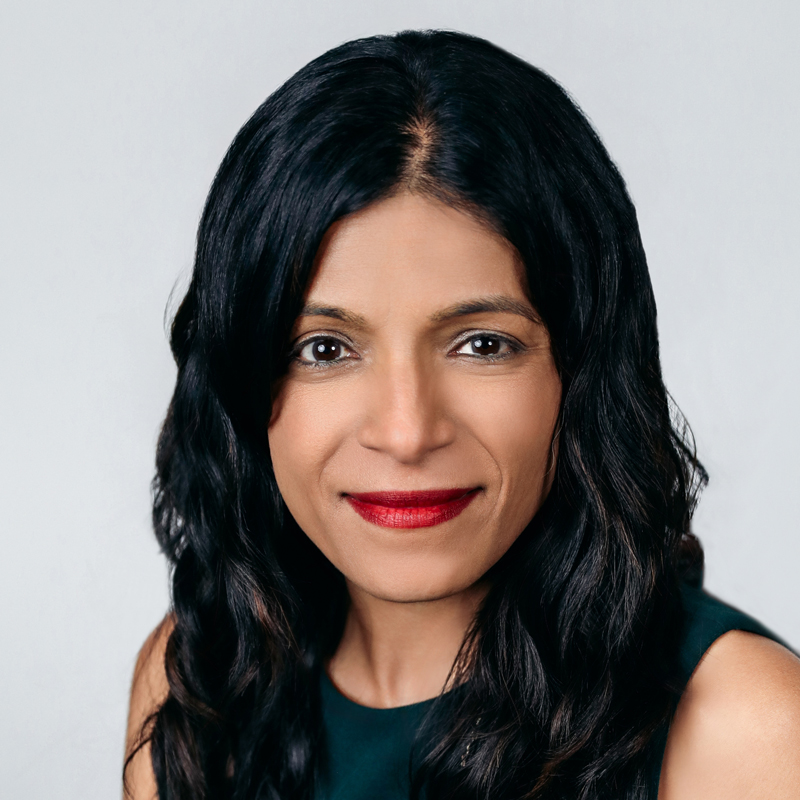
Rachna Shroff, MD
University of Arizona Cancer Center
Rachna Shroff, MD
University of Arizona Cancer Center
Dr. Shroff is an Associate Professor in the Department of Medicine, Division of Hematology and Oncology, and Chief of the Section of Gastrointestinal Medical Oncology at the University of Arizona Cancer Center. She participates in the Southwest Oncology Group GI Committee and the NCI Hepatobiliary Taskforce. Her research interests focus on biliary and pancreatic cancers, including developing personalized novel targeted therapies and identifying new molecular biomarkers for diagnosis and treatment.
(Neoadjuvant Targeted Therapy Initiative Group)
“Taking a patient who was told that he/she had an incurable disease, putting them on a trial with a novel therapy, seeing a dramatic response and then taking them to a curative surgery is by far the most rewarding thing in my day-to-day.”
Can you tell us a bit about yourself?
I am the Chief of GI Medical Oncology at the University of Arizona Cancer Center (UACC) where my clinical and research interests focus on biliary and pancreatic cancers. I also serve as the Director of UACC’s Clinical Trials Office. I was previously on faculty at MD Anderson Cancer Center where I helped grow a prolific biliary research program with a robust clinical trial portfolio. Since joining UACC, I have helped grow the GI research program and have enjoyed building collaborations across the institution to grow translational research efforts. I am committed to improving outcomes for patients with pancreaticobiliary cancers and enjoy watching drug development blossom for my patients with cholangiocarcinoma. There is nothing more rewarding than holding our patients’ hands through this journey and giving them hope as we see immense progress in these diseases.
Personally, I am happily married to a busy allergist on faculty at University of Arizona and we are kept busy raising two beautiful kids. We miss Houston, but have been enjoying the beautiful desert landscape and climate. We love to travel to new places (outside of global pandemics), I live to exercise for wellness, and dancing is my creative outlet.
Can you share one or two of your specific research interests?
My research interests focus on developing novel cytotoxic, targeted, and immune therapies for patients with biliary cancers and pancreatic cancers. I primarily engage in clinical trials but relish working with basic scientists to translate their discoveries into clinic.
Why did you decide to specialize in hepatobiliary cancers?
My focus in HPB cancers came from the clinic. Caring for patients with these diagnoses require committed researchers who are willing to think outside of the box, to advocate for research funding and to work collaboratively to improve outcomes. This is exactly what drove me into this space – a desire to impact patient care in a clinically meaningful way through scientific discovery and momentum. Giving hope to patients and watching the needle move forward is the most rewarding feeling for me as an oncologist.
Can you describe one of the unforgettable moments in your patients care or research that has impacted your career?
There are so many moments that help me keep my eyes on the prize. Taking a patient who was told that he/she had an incurable disease, putting them on a trial with a novel therapy, seeing a dramatic response and then taking them to a curative surgery is by far the most rewarding thing in my day-to-day. This is why I get out of bed every day – to see this progress happening in the clinic! For research, one unforgettable moment was when our national study, SWOG 1815 completed accrual in record time. This was an NCI-sponsored study and the first randomized phase 3 study in biliary cancers in the US. Being able to complete a study quickly to answer a meaningful question for this disease has been hands down one of the most rewarding moments in my research career.
Can you tell us one thing collaboration with colleagues could accomplish that you could not accomplish on your own?
The progress we have seen in understanding the molecular and immune landscape of cholangiocarcinoma is a perfect example of why collaboration is essential to eradicating this disease. We came together as researchers to learn about the importance of biomarker testing and its clinical relevance. This knowledge empowered us to launch clinical trials with targeted therapies that have led to FDA approvals in cholangiocarcinoma! None of this would have been possible if we, as researchers, did not come together to pool knowledge.
If you had access to one resource that would move your research forward, what would that resource be?
Funding! We are getting more and more funding dedicated to cholangiocarcinoma research (thanks in large part to advocacy from CCF), but we have so much more work to do! As we have come together as collaborators and built a repository of preclinical models, there are so many questions left to be asked and answered. More federal funding, philanthropic funding, and industry funding will drive us to progress. We have the momentum and we want to keep it going!
How did you learn about the Cholangiocarcinoma Foundation?
I have had the pleasure to be involved with CCF since (close to) the beginning. Being a junior faculty member at MD Anderson and working with Dr. Milind Javle, he introduced me early on to Stacie and CCF. It became readily apparent to me that this organization was going change the face of this disease and have a last impact. As such, I immediately began attending the national conference and getting to know other members. More recently, I have had the pleasure of chairing the 2020 National Conference and currently serve on the Scientific and Medical Advisory Board. I am so grateful to CCF to have them as a partner and as a force for our research in cholangiocarcinoma.
Can you tell us why you became a member of the ICRN?
I became a member of ICRN early on because I knew that to truly make an impact on this disease, researchers from all over the world would need to come together to ask important scientific questions. ICRN was a mechanism to bring US collaborators in close touch with our brilliant scientists in Europe, Asia, and beyond. Since joining, I have had the pleasure of working in the Immunotherapy Working Group and helping design novel questions in the space of immune-oncology. I also now serve on the Executive Committee and have enjoyed working elbow-to-elbow with international thought leaders to identify areas of focus for research that will have a global impact on cholangiocarcinoma.
Research Committee Co-Chairs
Ben Stanger, MD, PhD
University of Pennsylvania
Philadelphia, Pennsylvania
Ben Stanger, MD, PhD
University of Pennsylvania
Philadelphia, Pennsylvania
Sumera Ilyas, MD, PhD
Mayo Clinic
Sumera Ilyas, MD, PhD
Mayo Clinic
Next-Gen Committee Co-Chairs
Nilo Azad, MD
Johns Hopkins University
VICE CHAIR
Baltimore, Maryland
Nilo Azad, MD
Johns Hopkins University
VICE CHAIR
Baltimore, Maryland
Dr. Azad is an Associate Professor of Oncology and a member of the Gastrointestinal Oncology Program within the Sidney Kimmel Comprehensive Cancer Center (SKCCC). She completed her fellowship in Medical Oncology at the National Cancer Institute and became a member of our faculty in July 2008. Since joining the faculty of the SKCCC at Johns Hopkins, Dr. Azad is the PI of numerous early phase clinical trials in solid tumors and gastrointestinal cancers. Dr. Azad is a clinically active medical oncologist and is the co-leader of the NCI funded UM1 Developmental Therapeutics clinical research program at the SKCCC, as well as the Cancer Genetics and Epigenetics Program . She is a member of both the Epigenetics and Colon Cancer Stand Up 2 Cancer Dream Teams, serving as a Principal on the latter. She has been a member of the NCI Colon Cancer Task Force, the Advisory Board of the Biden Cancer Initiative, and the Executive Board of The Cholangiocarcinoma Foundation, now serving as Vice-Chair, among others.
(Precision Therapeutics Initiative Group)
“We have been given such a gift to have found this particular calling, working with cancer patients.”
Can you tell us a bit about yourself?
I am a very fortunate physician that went into medicine thinking I was going to take care of patients, and by happenstance over the course of my training, was exposed to wonderful mentors and research leaders who whet my appetite to make a difference through clinical research. I am a faculty member at Johns Hopkins, where I work with the best group of doctors and other medical professions to take care of patients while working to increase the options available to them. I have a wonderful family and group of friends who provide my life’s foundation. I consider myself very lucky to get to do what I do.
Can you share one or two of your specific research interests?
I have an interest in combining novel agents to advance the therapeutic options for advanced cholangiocarcinoma patients. I am particularly interested in epigenetic and immunotherapies, both together, and how epigenetic alterations may impact the immune response.
Why did you decide to specialize in hepatobiliary cancers?
Good luck. I was running an early phase clinical trial in advanced solid tumors early in my career and saw some possible benefit for cholangiocarcinoma patients. I decided to open a dedicated trial arm to cholangiocarcinoma, and then it was off to the races. I began looking at all my drug development though the lens of how it might help cholangiocarcinoma patients, and how we might modify strategies to make them more appropriate to cholangiocarcinoma biology.
Can you describe one of the unforgettable moments in your patients care or research that has impacted your career?
The beauty of our job is that there is no one moment that encapsulates the meaning of what we do. Rather, our careers are an amalgamation of hundreds of people we have taken care of and worked with — all of whom have taught of the essence of what life is about. Family. Friendship. Health. Love. Generosity. Suffering. Perseverance. Intellectual Joy. We have been given such a gift to have found this particular calling, working with cancer patients.
Can you tell us one thing collaboration with colleagues could accomplish that you could not accomplish on your own?
The underpinnings of cancer biology are so complex that no one investigator has the needed expertise to understand all of the nuances of any given approach. Team science allows for us to assemble groups of people with varied skill sets and knowledge bases which dramatically improve the chance we will find a new treatment and eventual cure for this cancer.
If you had access to one resource that would move your research forward, what would that resource be?
More funding. There are so many exciting ideas that are delayed by the lack of funding to move them forward. For example, we have a personalized vaccine study that it extraordinarily expensive to generate for each patient. This kind of personalized immunotherapy approach is presently limited due to lack of funding.
How did you learn about the Cholangiocarcinoma Foundation?
Honestly, I don’t remember not knowing about CCF – it is so ubiquitous in cholangiocarcinoma patient and researcher circles.
Can you tell us why you became a member of the ICRN?
It is an exciting group of people that pushes me to refine my ideas and make them into reality and work with others to do the same with theirs. It is an incredibly giving group of caring doctors and researchers. What a great community.
Kristen Spencer, DO
NYU
Kristen Spencer, DO
NYU
I lost my mother to metastatic colorectal cancer when I was eight years old—conquering cancer has been my life’s mission.
I am the director of the Phase 1 Program at NYU Langone Perlmutter Cancer Center. We assess the effectiveness of immunotherapies, targeted therapies, and other cancer treatments when they are in the earliest stage of their clinical trials. My mission is to ensure access to innovative cancer treatments for all patients, so researchers can continue to move the needle in cancer care. Access to new therapies was a cornerstone of my mother’s treatment, and early phase research has the potential to find answers where there may not have been any before.
My own research focus is on the treatment of tumors of the pancreas and hepatobiliary system, which includes the liver, bile ducts, and gallbladder. I am the author or co-author of several publications, reviews, book chapters, and abstracts reporting on these cancers. I have also published on my clinical experience with immunotherapy. I have specialty research training through the Cancer Therapy Evaluation Program Advanced Drug Development Fellowship and the American Association for Cancer Research and American Society of Clinical Oncology’s Methods in Clinical Cancer Research Workshop.
My research and training inform my clinical care. As a member of the Gastrointestinal Disease Management Group at Perlmutter Cancer Center, I primarily see patients who have pancreatic and hepatobiliary tumors. I also manage esophageal, small intestine, colorectal, and other cancers of the digestive tract. I consider my patients to be partners in the decision-making process, and I respect their choices. I work closely with a team of surgical oncologists, radiation oncologists, nurses, social workers, nutritionists, genetic specialists, and other health providers to help patients understand their condition. In addition, I take a holistic approach to care, placing an emphasis on quality of life and complementary therapies.
On a national level, I am chair of the Genomics Subcommittee of the ECOG-ACRIN Cancer Research Group. I am also chair of the ECOG-ACRIN hepatopancreatobiliary working group and a member of the organization’s Task Force on Advancement for Women. Additionally, I am on the National Cancer Institute Gastrointestinal Steering Committee’s Hepatobiliary Task Force.