Nutrition and Cholangiocarcinoma
produced in partnership with the Oncology Dietician Practice Group (ON DPG)

TAKING THE FIRST STEPS
ROADMAP
These next steps should help those with CCA and their loved ones find answers, support and hope during the first few weeks, months or years after diagnosis.

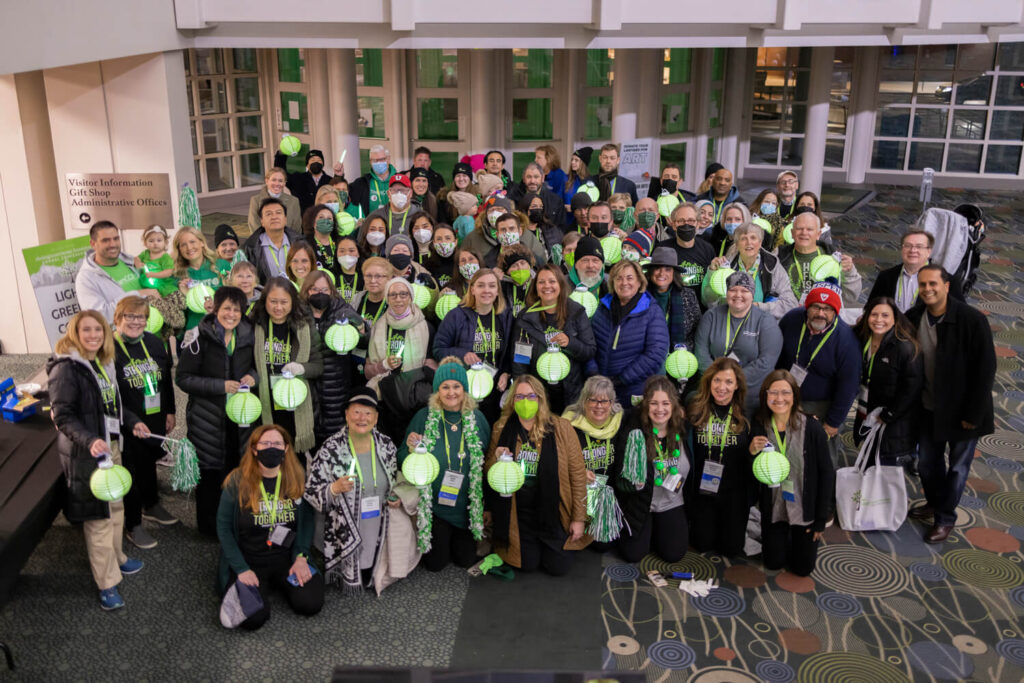
Are you or a loved one navigating a cholangiocarcinoma diagnosis?
CCF understands that a diagnosis can leave patients feeling isolated and afraid. Whether you’re newly diagnosed or new to the Foundation, we are here to support you and your loved ones. You are not alone.
To help us better guide you, we encourage you to take our Welcome Survey and join our Newly Diagnosed/Newly Connected program.
This survey takes 10 minutes to complete and provides quick access to resources such as:
You’ll learn about support groups, CCF’s mentorship program, free books, and more.

If you have been diagnosed with cholangiocarcinoma, the single most important thing you can do is to see an oncologist and surgeon who specialize in your specific type of cancer; this may require a second opinion. When it comes to treating cancer, expertise can mean the difference between life and death.
Your specialist should:

Ask your doctor about biomarker testing (molecular profiling). Biomarker testing scans the DNA of your cancer cells for cancer-causing genetic mutations and other molecular abnormalities. This information can be used to match some patients to the most effective treatment available, whether it’s an existing drug or one under study in a clinical trial.
While comprehensive biomarker testing is not yet routine, it is covered for all Medicare patients with advanced solid tumors. It is also increasingly offered at academic medical centers and is frequently part of clinical trial protocols.
Most cancers, when first diagnosed, have a standard of care: a treatment regimen that is widely accepted as the best approach to fighting the disease. The standard of care for cholangiocarcinoma can be found by looking at the National Comprehensive Cancer Network guidelines, which are based on the most up-to-date scientific evidence.

Patients on 5-FU or Capecitabine (Xeloda)
Be aware of potential for an adverse drug reaction if not pre-screened for DPD Enzyme deficiency

Participant Engagement & Cancer Genome Sequencing Program
Volunteers needed for “Moonshot Program”

Researchers are trying to find individuals who might have a high risk for developing cholangiocarcinoma so they can identify new ways to detect, diagnose, and treat it.
Mayo Clinic is one of many institutions participating in a Genome-Wide Association Study (GWAS) for cholangiocarcinoma. We compare DNA from small samples of blood from two groups: people with the disease (you) and people without (your family members or friends).

Having the support of others is an important part of cancer survival. Research shows that taking part in support groups, where you both give and receive help, is an effective way to reduce the stress and anxiety that can come with diagnosis.
CONNECT WITH US ON SOCIAL


Cholangiocarcinoma Warriors
(not affiliated with CCF)
Cholangiocarcinoma Immunotherapy & Targeted Therapy
(not affiliated with CCF)