
Grief Fuels Advocacy: How Joanne McIntyre Helped Secure a Critical FDA Label Update
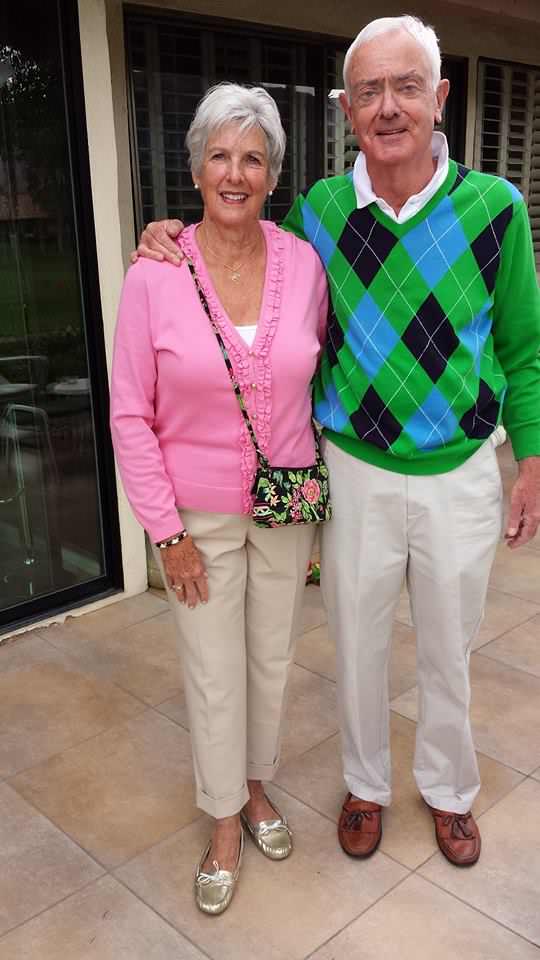
When Joanne McIntyre’s husband David began chemotherapy in 2018, neither of them had heard of DPD deficiency.
David was being treated with capecitabine (Xeloda), one of the most widely used chemotherapy drugs for gastrointestinal cancers, including cholangiocarcinoma. Within days, he became gravely ill. Severe vomiting and diarrhea. Blistering mucositis. A spreading rash. When Joanne called the oncology office, she was told these reactions were “typical.”
They were not.
David had a deficiency in dihydropyrimidine dehydrogenase (DPD), an enzyme necessary to metabolize fluoropyrimidine chemotherapy drugs like 5-FU and capecitabine. For patients with partial or complete DPD deficiency, these medications can cause catastrophic toxicity, and even death, unless doses are modified or the drug is avoided altogether.
Tragically, the antidote that would have saved David’s life, if administered within 96 hours of his last dose of capecitabine, was not administered until 5 days beyond the close of that 96-hour window.
David’s treatment-related toxicity resulted in the most unimaginable, horrific suffering and death. And it was completely avoidable.
What Joanne discovered afterward would define her life moving forward.
A Known Risk But Rarely Tested
For decades, the prescribing information for 5-FU and capecitabine included language warning patients who already knew they had DPD deficiency not to take the drug. But there was one glaring issue: most patients were never tested. And DPD deficiency is asymptomatic.
Testing for DPD deficiency has been standard practice in parts of Europe, the UK, and Canada. In the United States, however, routine pre-treatment screening was not widely implemented.
It is estimated that up to 1,500 people in the U.S. die each year from fluoropyrimidine toxicity related to DPD deficiency. Yet testing has been rarely discussed.
Joanne filed a wrongful death lawsuit in 2019. As she searched for answers, she discovered a small advocacy group working to raise awareness of DPD testing prior to the administration of fluoropyrimidine chemotherapy (5-FU and capecitabine), as well as raising awareness of the antidote, uridine triacetate (brand name Vistogard), which Joanne learned about just days before David died. Given the fact that Vistogard has a 98% success rate of reversing toxicity, it was a cruel blow to Joanne and her family that David’s doctors were not aware of its existence.
Five Years of Relentless Advocacy
Joanne joined forces with other advocates, including clinical experts such as pharmacogenomics researcher Dr. Dan Hertz. What began as a small effort grew into a coordinated advocacy initiative focused on one clear goal:
Require stronger warnings and encourage routine DPD testing before patients begin fluoropyrimidine chemotherapy.
The group formally petitioned the U.S. Food and Drug Administration multiple times. Each submission required extensive documentation, supporting literature, and careful wording. It was a long, technical process including cumbersome forms, reviews, resubmissions, and a lot of waiting.
On February 5, 2026, the FDA issued an updated safety communication that includes a Black Box Warning recommending DPD deficiency testing before initiating treatment with fluoropyrimidines.
A Black Box Warning is the strongest safety warning the FDA requires. While it stops short of mandating testing, it sends a powerful signal to clinicians nationwide.
“It’s the next best thing to making testing mandatory,” Joanne says.
Changing Practice Hospital by Hospital
Advocacy doesn’t end with a label change. Joanne and her fellow advocates have worked directly with institutions to implement mandatory pre-treatment testing protocols. To date, approximately 15 hospitals have adopted universal DPD testing for patients prescribed 5-FU or capecitabine.
Testing costs approximately $250, and many labs now return results within 48 hours. For patients who require urgent treatment, dose adjustments can be made pending results.
Joanne also emphasizes another critical layer: clinician education for oncologists, oncology nurses and Emergency Department staff.
Early symptoms of DPD-related toxicity are severe diarrhea, vomiting, mucositis and rash within the first five days of treatment and should trigger immediate evaluation and rapid access to the antidote.
“If nurses and physicians recognize the warning signs quickly,” she says, “lives can still be saved.”
What This Means for the Cholangiocarcinoma Community
Fluoropyrimidines remain a cornerstone of treatment for cholangiocarcinoma and other gastrointestinal cancers. The new Black Box Warning makes pre-treatment awareness more visible than ever before.
But awareness only works if patients and providers know to act.
That’s why Joanne is partnering with the Cholangiocarcinoma Foundation to share educational materials and encourage patients to ask a simple but potentially lifesaving question before starting treatment: “Have I been tested for DPD deficiency?”
Joanne often reflects that after David died, she “couldn’t do anything but this.”
Her advocacy has already helped change national policy. And it will continue to save lives.