
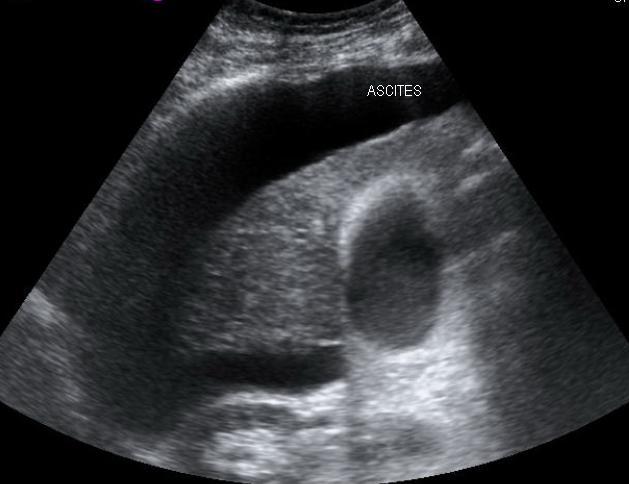
Ascites With Bile Duct Cancer: Abdominal Swelling and How It Is Managed
Ascites is a buildup of fluid in the abdominal cavity, around—not inside—the abdominal organs. It can occur in people with cancer, including bile duct cancer, but it also has noncancerous causes. Treatment depends on why the fluid is accumulating and may include drainage, selected medicines, and treatment of the underlying condition. [1]
A swollen abdomen can affect appetite, breathing, mobility, and how comfortable you feel in your clothes. It can also bring understandable worry about what the change means. The first step is to establish whether the swelling is fluid and what is causing it, rather than assume that every change represents cancer progression.
This guide provides general education. It does not tell you how to drain fluid at home, change medicines, or restrict food or fluids without your care team.

What Is Ascites?
The abdominal organs sit within an area lined by a membrane called the peritoneum. A small amount of fluid normally helps the surfaces move smoothly. Ascites occurs when excess fluid collects in that space. [1]
This is different from fluid inside the stomach and different from ordinary intestinal gas. It can make the abdomen look or feel larger, tighter, or heavier. However, swelling alone cannot confirm the diagnosis.
A clinician may use an examination and imaging, often ultrasound, to investigate whether fluid is present. If fluid is removed, a sample may be tested to help understand the cause or check for infection. Your team decides which tests are appropriate. [4]
Why Can It Develop in Someone With Cancer?
Several mechanisms can contribute to ascites. Cancer may affect the abdominal lining or interfere with lymphatic drainage. Disease affecting the liver may alter pressure in nearby blood vessels or reduce production of proteins that help keep fluid within the circulation. More than one factor may be present. [1]
Ascites also occurs with noncancerous conditions, including advanced liver disease and heart failure. Having cholangiocarcinoma does not mean the team should skip investigating these possibilities.
Your clinician may consider your scans, liver and kidney function, blood proteins, and sometimes findings from the abdominal fluid. “Malignant ascites” refers to fluid related to cancer, but the exact cause should be assessed rather than inferred from the fact that a person has a cancer diagnosis.
Symptoms to Discuss With Your Team
Possible symptoms include a swollen or bloated abdomen, discomfort, nausea, early fullness when eating, reduced appetite, breathlessness, and tiredness. Constipation may also contribute to how uncomfortable you feel. [1]
Tell the team when the change began and whether it is getting worse. Mention if you are eating less, struggling to sleep comfortably, or finding it harder to walk or breathe. These effects matter even if the swelling does not seem dramatic.
Your team may ask you to monitor weight or abdominal size, but the instructions should be specific to you. Ask what change should trigger a call. Do not use a general internet threshold as a substitute for your own monitoring plan.
When to Seek Urgent Care
Seek urgent medical advice for new fever, severe or rapidly worsening abdominal pain, persistent vomiting, or quickly increasing swelling. These symptoms can have several causes and need assessment rather than assuming they are “just the fluid.”
If you are severely short of breath, confused, faint, or rapidly deteriorating, seek emergency care. Follow the oncology team’s specific fever instructions if you are receiving treatment.
If you have recently had drainage, report fever, worsening pain, redness or other possible infection signs around the catheter site, and concerns about bleeding or leakage. A clinician needs to decide whether the device or the underlying condition needs attention. [1]
For someone who also has a biliary stent, fever or chills with jaundice or upper abdominal pain can indicate a bile duct infection. That is a different problem from ascites and also needs urgent assessment. [2]
How Do Clinicians Investigate the Fluid?
The evaluation may include examination, ultrasound or other imaging, and blood tests. The care team uses these to assess the fluid and look for contributing conditions. Removing a sample of fluid may help answer specific questions about its cause or possible infection. [4]
Not everyone needs exactly the same investigation. Ask whether the proposed drainage is mainly intended to relieve symptoms, obtain a diagnostic sample, or both. Knowing the purpose helps you understand what information to expect afterward.
If your abdomen is swollen but there is little fluid, another explanation may be more important. Treatment should target the actual cause rather than automatically proceed to drainage.
What Is Paracentesis?
Paracentesis is a procedure to remove abdominal fluid. A trained clinician cleans the skin, uses local anesthetic to numb the area, and inserts a needle or catheter into the fluid collection. Ultrasound may help guide placement. Fluid then drains into a collection system. [1]
Drainage can relieve pressure and improve comfort. It does not, by itself, treat or remove a cancer. The amount removed and the monitoring required depend on the person’s condition and the clinical plan.
Ask whether you will attend as a day patient or stay overnight. The team should also explain any medicine instructions and what to expect afterward. Do not stop blood-thinning medicines or alter other prescriptions without being told how to do so.
Benefits, Risks, and Recurrence
Many people find symptom relief after drainage, but the experience varies. Staff may monitor blood pressure and comfort during the procedure. Potential problems include bleeding, infection, leakage, and a fall in blood pressure; more serious complications are uncommon but should be discussed with the clinician performing the procedure. [1]
Fluid can accumulate again. If it does, the team may consider repeat drainage or another strategy. Ask how to contact the service if symptoms recur and whether you should wait for a planned appointment or call sooner.
Symptom relief is valuable even if the fluid may return. It can help with eating, sleep, or movement while the team evaluates longer-term options.
What About a Longer-Term Drain?
For some people with fluid that returns quickly, a longer-term catheter may be considered. It allows drainage under a care plan without repeating the same insertion procedure each time. Suitability depends on the cause of the ascites, expected benefits, risks, and support available at home. [1]
If the plan includes home drainage, the clinical service must provide training and written instructions. The plan should specify who will drain it, what supplies to use, what monitoring is required, and when to stop and seek help.
Do not improvise drainage amounts, frequency, or catheter handling. If a drain stops working, leaks, moves, or becomes painful, contact the team. A home drain is a medical device, not a self-treatment project.
Can Medicines or Cancer Treatment Help?
A clinician may consider diuretics, sometimes called water tablets, for selected people. Their usefulness depends on the cause of the fluid. They can affect kidney function, blood pressure, and electrolytes, so monitoring may be needed. [1]
Treating the cancer may reduce ascites in some situations, but this is not guaranteed. Decisions about cancer treatment should consider the whole clinical picture, not the presence of fluid alone.
Do not start a diuretic, increase its dose, or borrow someone else’s prescription. Also avoid beginning a fluid restriction or strict low-salt diet without advice. If your team recommends a dietary change, ask how to follow it while maintaining nutrition.
Eating, Comfort, and Support
Early fullness can make it difficult to eat enough. Ask for dietitian support if your intake is falling or meals become uncomfortable. A personalized nutrition plan can address appetite and treatment needs without assuming that one “ascites diet” fits everyone.
Tell the team about pain, nausea, breathlessness, and sleep difficulties. Supportive or palliative care can help manage symptoms alongside cancer treatment; asking for this support does not mean you are giving up.
Caregivers can help by recording symptoms and questions, keeping contact numbers available, and following the clinical plan. They should not be expected to make drainage or medicine decisions without training and professional support.
Questions for Your Care Team
- Is the swelling definitely ascites?
- What is the most likely cause in my situation?
- Would testing the fluid help clarify the cause or check for infection?
- Would drainage improve my symptoms?
- What should I watch for after the procedure?
- If fluid returns, how will we manage it?
- Are medicines suitable, and what monitoring will I need?
- Can I speak with a dietitian or symptom-support specialist?
Frequently Asked Questions
Does Ascites Always Mean the Cancer Has Spread?
No. Ascites has different possible causes, including noncancerous liver disease and heart failure. The team must investigate what is contributing in your case. [1]
Is Abdominal Swelling Always Ascites?
No. Bloating and swelling can have other causes. Examination and imaging can help determine whether fluid is present.
Can Drainage Cure Bile Duct Cancer?
No. Drainage is intended to relieve fluid-related symptoms or support investigation. Cancer treatment is a separate part of the care plan.
Will the Fluid Come Back?
It can. Some people need repeat drainage or another approach. Ask for a clear follow-up and symptom-contact plan. [1]
Sources
- Macmillan Cancer Support: Ascites.
- Cancer Research UK: Stents to Relieve Symptoms of Bile Duct Cancer.
- NCI: Bile Duct Cancer Diagnosis.
- Cleveland Clinic: Paracentesis.
For related background, see the Foundation’s treatment options and prognosis guide.