ASCO 2026 Highlights: Precision Medicine Continues to Transform Cancer Care
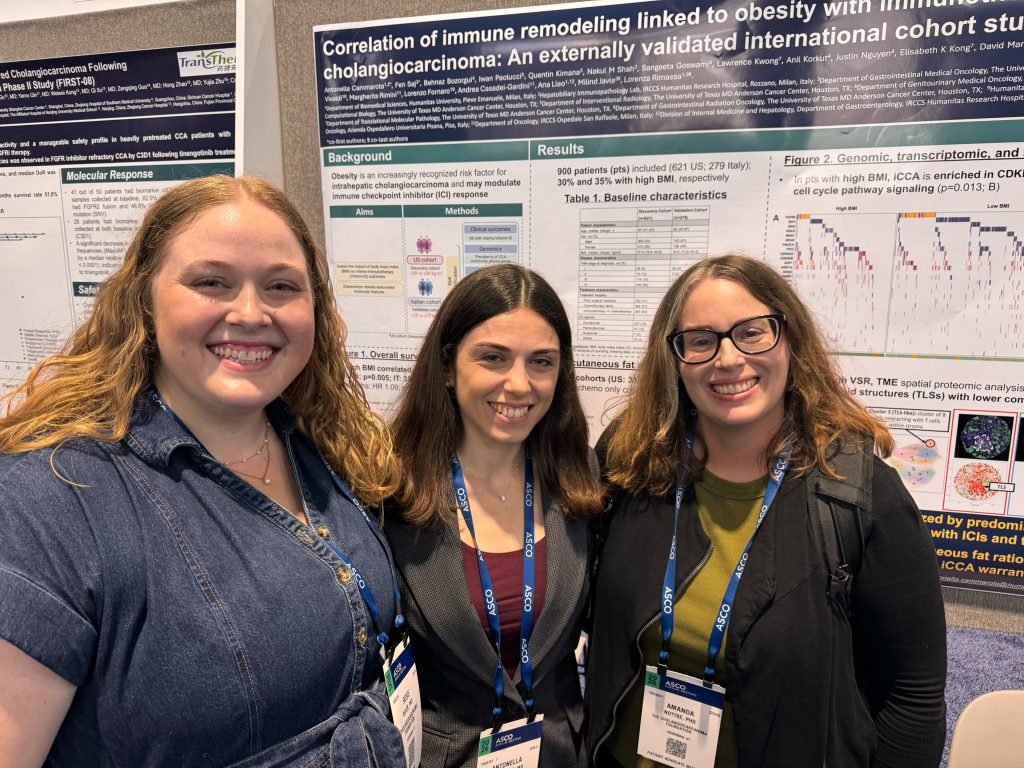
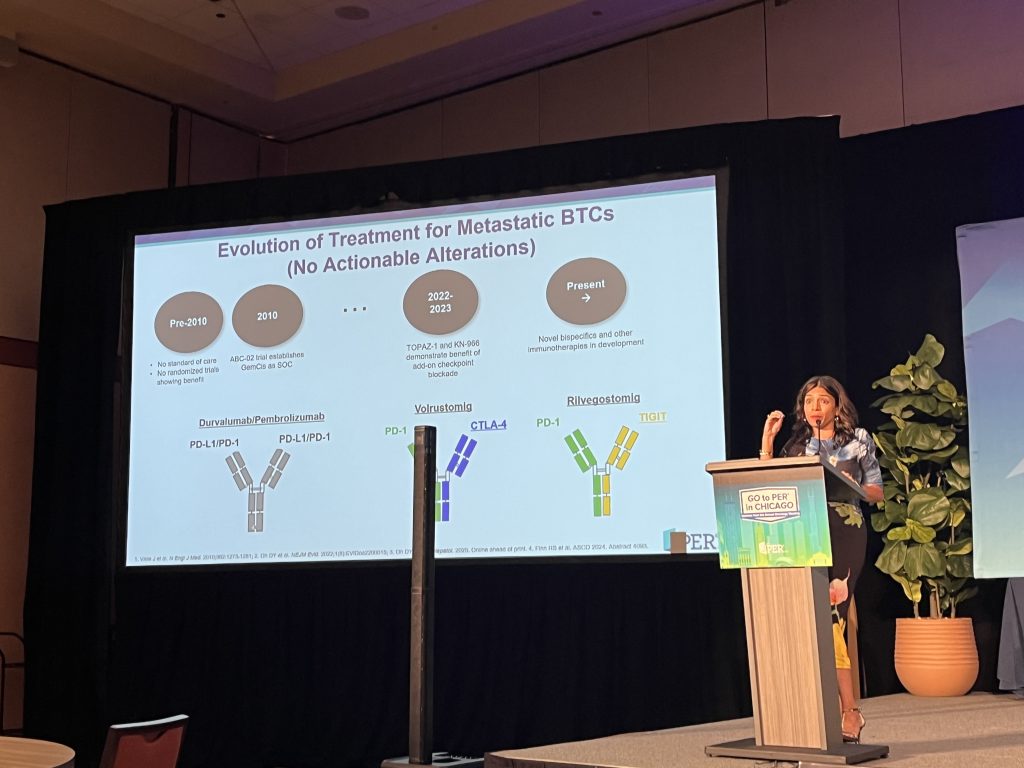
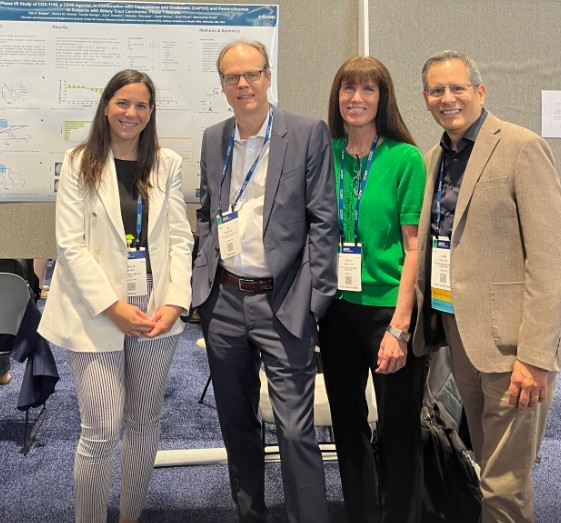
Each year, thousands of cancer researchers, physicians, patient advocates, and industry leaders gather at the American Society of Clinical Oncology (ASCO) Annual Meeting to share the latest advances in cancer research. Often referred to as the world’s largest cancer conference, ASCO serves as a global stage where groundbreaking discoveries are unveiled.
This year’s meeting delivered several exciting developments that highlight the growing impact of precision medicine, an approach that matches treatments to the unique genetic characteristics of a patient’s cancer. Two presentations, in particular, generated tremendous enthusiasm and offer hope for patients with cholangiocarcinoma and other difficult-to-treat cancers.
Targeted Therapy vs. Chemotherapy in FGFR2-Positive Cholangiocarcinoma
One of the most important presentations for the cholangiocarcinoma community came from Dr. Toni Bekaii-Saab, who shared results from the Phase 3 FIGHT-302 clinical trial.
The study evaluated pemigatinib, a targeted therapy, in patients with previously untreated advanced cholangiocarcinoma whose tumors contained an FGFR2 fusion or rearrangement. Researchers found that patients receiving pemigatinib experienced a 42% reduction in the risk of disease progression or death compared with those receiving gemcitabine and cisplatin, the long-standing standard chemotherapy regimen for biliary tract cancers.
These findings are particularly significant because they represent the first large randomized Phase 3 study to demonstrate that a biomarker-driven targeted therapy can outperform chemotherapy in the first-line treatment setting for a molecularly defined subgroup of cholangiocarcinoma patients.
For years, targeted therapies for FGFR2-positive cholangiocarcinoma have been available only after chemotherapy has stopped working. The FIGHT-302 results suggest that patients may benefit even more when these therapies are used earlier in their treatment journey.
Perhaps most importantly, these findings reinforce a message the Cholangiocarcinoma Foundation has championed for years: comprehensive biomarker testing is essential. Without genomic testing, patients and their healthcare teams may never identify actionable alterations such as FGFR2 fusions that can open the door to more effective, personalized treatment options.
A Standing Ovation for a Breakthrough in KRAS-Driven Cancers
One of the most talked-about moments of the entire ASCO meeting occurred when Dr. Brian Wolpin of Dana Farber presented results from the Phase 3 RASolute 302 study.
The trial evaluated daraxonrasib, a first-in-class RAS(ON) inhibitor, in patients with previously treated metastatic pancreatic cancer whose tumors contained KRAS mutations—a genetic alteration found in more than 90% of pancreatic cancers.
The results were remarkable. Compared with chemotherapy, daraxonrasib improved every major outcome measured in the study, including:
- A 60% reduction in the risk of death
- A tripling of the response rate from 11% to 33%
- Improved progression-free survival
- Improved quality of life
The presentation was met with an extended standing ovation. Researchers, clinicians, and advocates embraced, celebrated, and shed tears as years of scientific effort culminated in a breakthrough many once thought impossible.
For decades, KRAS was considered one of the most challenging cancer-driving mutations to target, earning a reputation as “undruggable.” These results provide compelling evidence that KRAS-driven cancers can be successfully treated with precision medicine approaches rather than relying solely on traditional chemotherapy.
Why This Matters for Cholangiocarcinoma
While the RASolute 302 study focused on pancreatic cancer, its implications extend far beyond a single disease.
KRAS mutations are among the most common genetic alterations found in cholangiocarcinoma, occurring in approximately 20% of patients and particularly in extrahepatic cholangiocarcinoma. Success in developing effective KRAS-targeted therapies for pancreatic cancer helps accelerate the broader field of KRAS drug development, creating momentum that may ultimately benefit patients with cholangiocarcinoma and other KRAS-driven cancers.
As researchers continue to unlock new ways to target KRAS, patients with cholangiocarcinoma may gain access to a growing pipeline of therapies designed specifically for the genetic drivers of their disease.
Looking Ahead
The excitement surrounding these presentations reflects a larger trend across oncology: treatment decisions are increasingly being guided by the biology of a patient’s tumor rather than where the cancer originated alone.
For the cholangiocarcinoma community, the FIGHT-302 results demonstrate that precision medicine is improving outcomes today. The KRAS breakthroughs showcased at ASCO offer a glimpse of what may be possible tomorrow.
Together, these advances underscore the importance of continued research, participation in clinical trials, and comprehensive biomarker testing. Every new discovery brings us closer to a future where more patients receive treatments tailored to the unique genetic makeup of their cancer and where better outcomes become the expectation rather than the exception.