

Itching With Bile Duct Cancer: Why It Happens and What May Help
Itching can occur when bile flow is impaired, including when bile duct cancer causes a blockage. But itching can also come from dry skin, medicines, allergies, infection, or other conditions. Treatment depends on the cause; skin care alone cannot correct a blocked bile duct. [1–3]
Persistent itching is not a minor concern if it keeps you awake, damages your skin, or makes daily life difficult. You do not have to wait until it becomes unbearable before asking for help. A clear description of the itch and any other symptoms can help your care team decide what to investigate.
This guide explains the connection with bile drainage, practical comfort measures, and when to seek medical attention. It is not a prescription or a substitute for an examination.
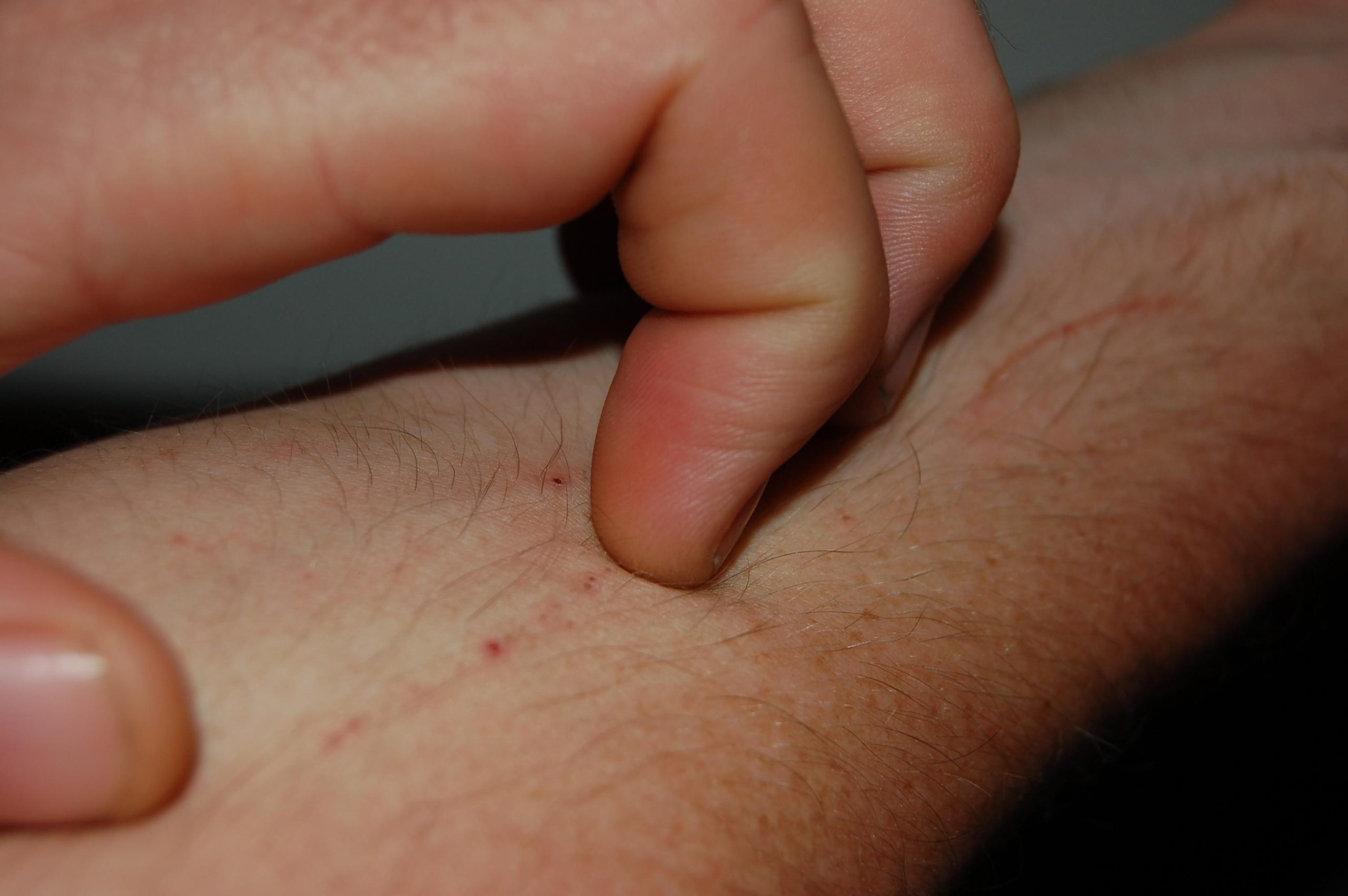

Why Can a Bile Duct Problem Cause Itching?
The liver makes bile, which travels through the bile ducts into the digestive system. When that flow slows or becomes blocked, a condition called cholestasis can develop. Itching can accompany this process. Jaundice—yellowing of the skin or whites of the eyes—may also occur. [1,2]
The mechanism of cholestatic itching is complex. It should not be reduced to the idea that the bilirubin number alone explains how much someone will itch. The pattern of symptoms and the cause of the drainage problem need clinical assessment.
A bile duct tumor can cause obstruction, but so can gallstones or a noncancerous narrowing. Itching is therefore not a stand-alone sign of cancer. A person with itching needs an investigation appropriate to their history, examination, and associated symptoms.
The Foundation’s bile duct cancer symptoms guide explains related warning signs without treating them as a diagnosis.
Does Everyone With Bile Duct Cancer Itch?
No. Symptoms differ according to the tumor, its location, and whether bile drainage is affected. Some people have little or no itching. Others experience an itch that significantly affects sleep and comfort. [2,3]
The intensity of an itch cannot tell you the cancer’s stage. Similarly, improvement after a symptom treatment does not, by itself, show whether a tumor has shrunk. Those questions require the wider clinical picture and, when appropriate, imaging.
If you already have cholangiocarcinoma, report a new or changing itch rather than assuming it must be the cancer. Different causes can occur at the same time, and some require a different response.
Other Causes Your Team May Consider
Cancer Research UK identifies several possible causes of itching in people with cancer: dry skin, new medicines, treatment-related skin reactions, allergies, and infections, as well as jaundice and certain cancers. [1]
The care team may ask when the itch began, whether it is localized or widespread, and whether a rash appeared before scratching. Tell them about new soaps, detergents, creams, medicines, and supplements.
If the itching started after a new cancer treatment, contact the oncology team. Do not stop treatment or start a replacement medicine on your own. Some treatment-related rashes need prompt review, and an apparent “allergy” is not always the explanation.
Kidney, liver, thyroid, and blood-related problems can also be considered depending on the circumstances. The clinician chooses the tests based on what your symptoms and examination suggest. [1]
When to Seek Prompt or Urgent Help
Contact your team promptly for new or worsening itching, especially when you also have jaundice, dark urine, pale stools, or abdominal discomfort. These symptoms can signal impaired bile drainage. If you have a stent, they may indicate a need to reassess it. [2]
Fever or shaking chills with jaundice or abdominal pain warrants urgent assessment. A bile duct infection can need hospital treatment; do not wait for a skin cream to work or for your next routine appointment. [2]
Seek emergency care for difficulty breathing, swelling affecting breathing, fainting, confusion, or severe illness. During cancer treatment, follow your team’s specific emergency instructions for fever and skin reactions.
Tell your team if scratching has caused broken skin, spreading redness, pain, pus, or other possible signs of infection. Also ask for help if itching prevents sleep. The impact on your daily life is clinically relevant, even if there is no dramatic rash. [1]
What Might the Assessment Involve?
Your clinician may examine your skin and review medicines, recent treatment changes, and other symptoms. Blood tests may assess liver-related results and other possible causes. Imaging may be needed when a drainage problem is suspected. [1,3]
If you already have a biliary stent or external drain, the team may investigate how well it is working. Do not attempt to change the device or its settings yourself.
A useful description includes where the itch occurs, when it is worst, what you have tried, and how much sleep you are losing. A simple symptom diary can help, but urgent symptoms should be reported immediately rather than waiting to document them.
Photographs of a changing rash may be useful if your team requests them through an approved communication method. A photograph does not replace assessment when you are unwell.
Why Treating the Cause Matters
When itching is linked to a blocked bile duct, improving drainage may help. A clinician may consider a biliary stent or another drainage approach depending on the obstruction and the overall treatment plan. [1,2]
Not everyone needs a procedure, and not every itch is caused by obstruction. Treating dry skin, infection, or a medication reaction requires a different approach. This is why choosing a treatment without identifying the cause can leave the problem unresolved.
If you already had a drainage procedure and the itching returns, contact your team. A stent can become blocked, and the right response may involve tests or another intervention rather than simply increasing symptom medication. [2]
Skin Care That May Improve Comfort
Simple measures may soothe irritated skin while your team addresses the cause:
- Use lukewarm rather than hot water for washing.
- Avoid long baths and strongly scented products.
- Pat skin dry rather than rubbing it.
- Ask about a suitable fragrance-free emollient or moisturizer.
- Wear loose, comfortable clothing that does not irritate the skin.
- Keep the room comfortably cool and use light bedding.
- Keep nails short to reduce damage from scratching. [1]
A cool compress may be comforting, but avoid applying ice directly to the skin. Tell the team if a new product worsens irritation. Do not assume that a product described as “natural” cannot cause a reaction.
If you have an external drain, protect the dressing and follow the team’s washing instructions. Do not apply creams to a catheter entry site unless instructed. Ask for advice before using a topical product on broken or infected-looking skin.
Which Medicines Might a Clinician Consider?
The choice depends on the cause, your other medicines, and liver and kidney function. For some cholestatic itching, a clinician may consider a bile acid-binding medicine such as cholestyramine. Other prescription approaches may be considered when appropriate. [1]
Antihistamines help some kinds of itch, but they may work poorly for itching related to jaundice and obstruction. Some cause sleepiness. Do not assume an over-the-counter antihistamine is safe with every cancer treatment, pain medicine, or sedative. [1]
A pharmacist or clinician should check interactions and any timing instructions. This guide deliberately does not provide doses or a step-by-step drug regimen, because those decisions require an individual clinical review.
If treatment is not helping, tell your team. It may take reassessment and a different strategy; you should not have to manage persistent severe itching alone.
Questions for Your Care Team
- Is this likely to be related to bile drainage, a skin problem, or treatment?
- Do I need liver-related blood tests or imaging?
- Does my stent or drain need to be checked?
- Which moisturizer or skin products are safe for me?
- Would a prescription treatment help, and what interactions matter?
- What symptoms mean I should seek urgent care?
- When should I contact you if the first treatment does not work?
Frequently Asked Questions
Is Itching Always a Sign of Bile Duct Cancer?
No. Many noncancerous conditions cause itching. A clinician should investigate persistent or unexplained symptoms rather than drawing a conclusion from itching alone. [1]
Can Itching Occur Without Obvious Yellowing?
Itching and visible jaundice do not always appear together. A lack of obvious yellowing does not replace clinical assessment when symptoms persist or change.
Will Antihistamines Fix Itching From a Blocked Duct?
Not necessarily. They may not work well for this type of itch, and they do not remove the blockage. Ask your team about the cause and the safest treatment. [1]
When Is Itching More Than a Comfort Issue?
It deserves attention when it disrupts sleep, damages the skin, or accompanies signs of obstruction. Fever or chills with jaundice or abdominal pain needs urgent assessment. [1,2]