
Bile Duct Cancer vs. Gallbladder Cancer: What Is the Difference?
Bile duct cancer starts in the ducts that carry bile. Gallbladder cancer starts in the gallbladder, the small organ that stores bile. Both can be described as biliary tract cancers, but they are not interchangeable diagnoses. Where the cancer begins affects staging, surgery, treatment planning, and clinical trial eligibility. [1–3]
The names can be confusing because the organs are connected and symptoms may overlap. You might hear “biliary cancer,” “cholangiocarcinoma,” and “gallbladder cancer” during different conversations. Asking for the exact diagnosis is not a small detail—it helps you understand which information applies to you.
This guide compares the two without suggesting that symptoms alone can tell them apart. Diagnosis and treatment decisions require a clinical team’s review of imaging, pathology, and the overall medical situation.

How the Bile Ducts and Gallbladder Work Together
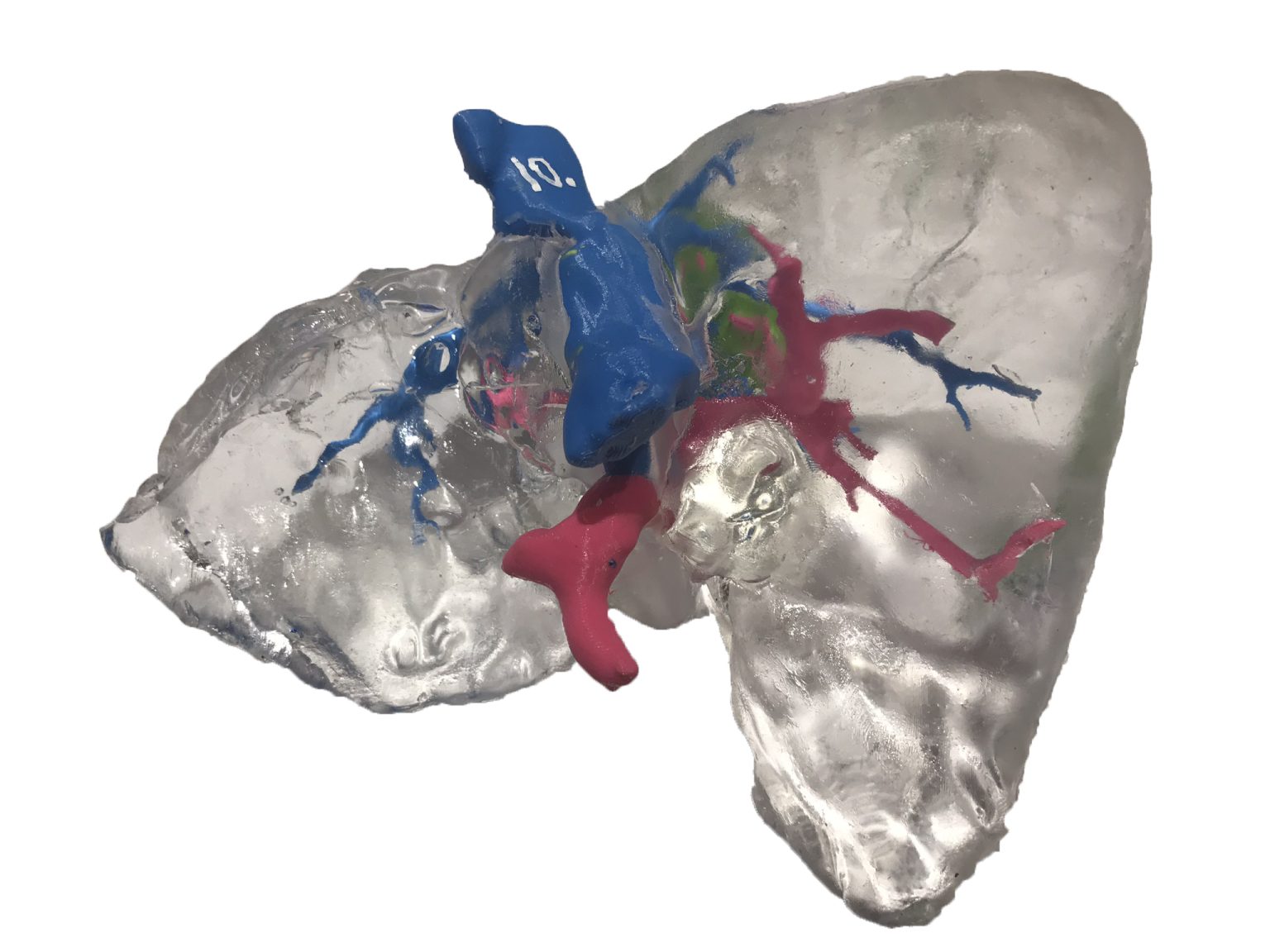
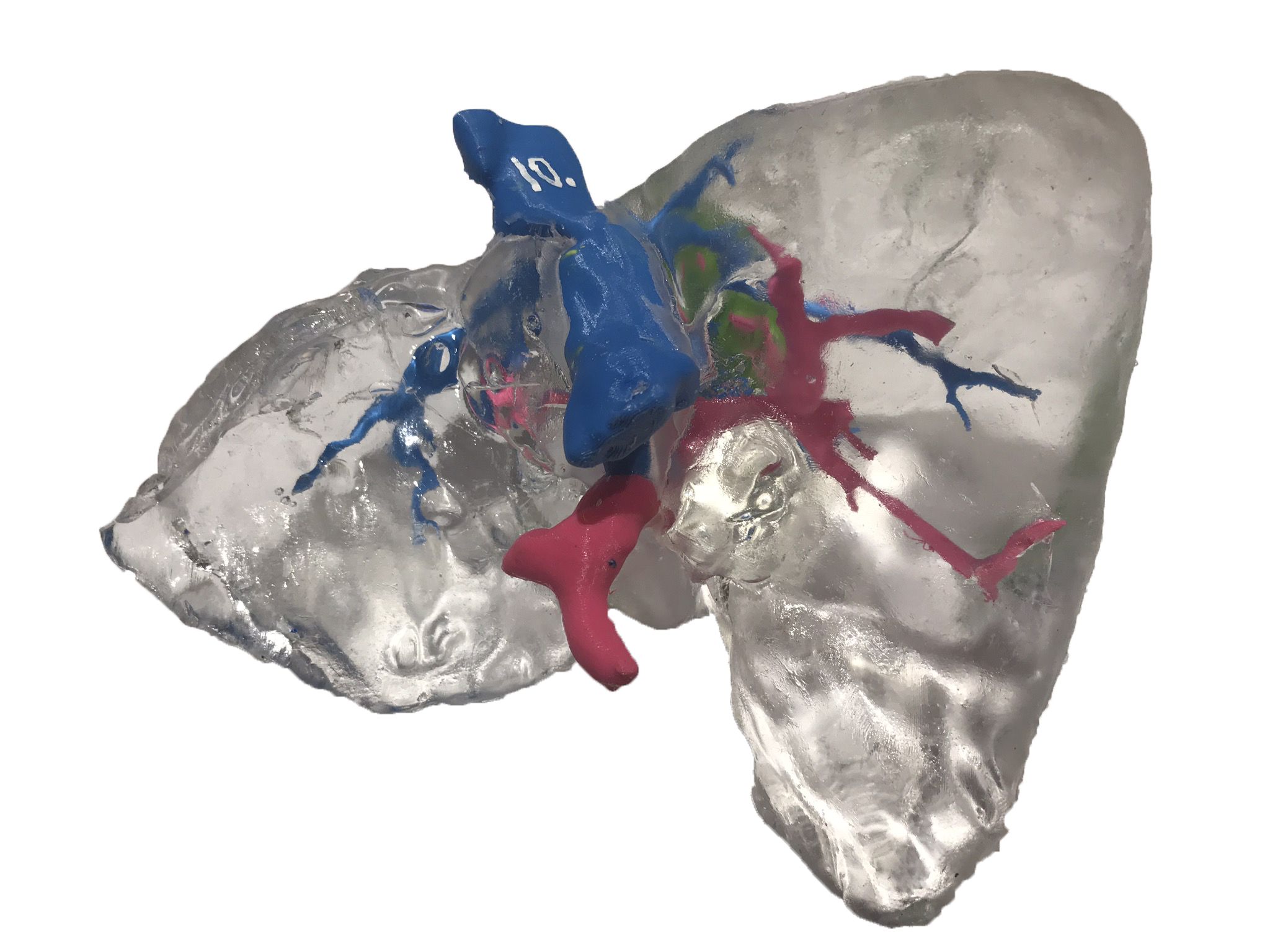
The liver makes bile, a fluid involved in digestion. Small ducts inside the liver join into larger ducts that carry bile out of the liver. The gallbladder sits beneath the liver and stores bile. A smaller connecting duct links it to the wider drainage system. Bile eventually reaches the small intestine. [1]
Think of the system as connected structures with different functions: the liver makes bile, the gallbladder stores it, and the bile ducts carry it. Being connected does not make them the same organ.
A cancer can grow beyond its starting point and affect nearby structures. A gallbladder tumor may involve adjacent liver or ducts, while a bile duct tumor may extend into nearby tissues. The clinical team considers where the cancer originated, not just every structure it now touches.
Where Does Bile Duct Cancer Start?
Bile duct cancer is also called cholangiocarcinoma. It arises in the bile ducts and is described according to its location. [1]
- Intrahepatic cholangiocarcinoma begins in bile ducts within the liver.
- Perihilar cholangiocarcinoma occurs near the junction where major ducts leave the liver.
- Distal cholangiocarcinoma begins farther along the bile duct outside the liver, nearer the small intestine.
Perihilar and distal tumors are forms of extrahepatic bile duct cancer. Location matters because the anatomy, possible operations, and assessment of the tumor differ.
Intrahepatic cholangiocarcinoma is not the same diagnosis as hepatocellular carcinoma, a cancer that begins in a different type of liver cell. The phrase “liver cancer” without a more precise description can therefore be misleading.
The Foundation’s overview of bile duct cancer explains the main types in more detail.
Where Does Gallbladder Cancer Start?
Gallbladder cancer begins in the gallbladder rather than in a bile duct. It may be found during an investigation for symptoms or when tissue is examined after gallbladder removal for another reason, such as suspected gallstones. [2]
A finding after surgery may lead to further imaging and specialist review. The team needs to assess the pathology, how deeply the cancer involves the gallbladder, and whether additional treatment is appropriate. Do not assume that removing the gallbladder automatically answers every treatment question.
Conversely, gallstones or gallbladder inflammation do not mean a person has cancer. These common noncancerous problems can also cause symptoms that overlap with biliary cancers.
Comparison at a Glance
| Question | Bile Duct Cancer | Gallbladder Cancer |
|---|---|---|
| Where does it begin? | In a bile duct inside or outside the liver | In the gallbladder |
| Another common name? | Cholangiocarcinoma | Gallbladder cancer |
| Is it a biliary tract cancer? | Yes | Yes |
| Can it affect bile drainage? | Yes, depending on location and extent | Yes, depending on location and extent |
| Are treatment plans identical? | No; location and other findings matter | No; gallbladder-specific findings matter |
This comparison describes general categories, not a personal diagnosis. A specialist may need to review a tumor involving several nearby structures before assigning the most accurate label.
Can Symptoms Tell Them Apart?
Not reliably. Either cancer can be associated with abdominal discomfort, jaundice, nausea, or other changes. Bile duct cancer can also cause itching, dark urine, pale stools, and unexplained weight loss. Similar symptoms occur with noncancerous conditions. [1–3]
Early disease may not cause an obvious warning sign. The absence of jaundice cannot rule out either condition. The presence of jaundice does not distinguish between them, because several different causes can block bile drainage.
New jaundice should be assessed promptly. Fever or shaking chills with jaundice or abdominal pain may indicate a bile duct infection and needs urgent assessment rather than waiting to identify the cancer type. [4]
The Foundation’s symptoms guide can help you prepare a symptom history for your clinician.
How Do Doctors Establish the Diagnosis?
The workup may include blood tests, ultrasound, CT, MRI, and other imaging. Some people need endoscopic or image-guided procedures to investigate the ducts, obtain samples, or improve drainage. [3,5]
Blood tests such as bilirubin and CA 19-9 can contribute information, but they cannot determine the origin of a cancer on their own. CA 19-9 can also rise with obstruction or infection. A clinician must interpret the tests alongside imaging and other findings.
Pathology examines cells or tissue when a sample is obtained. The timing and method of sampling should support the treatment plan. Not every patient needs the same procedure, and some cases are clarified through tissue removed at surgery. [3,5]
If you are unsure of your diagnosis, ask for the exact wording from the pathology and specialist reports. A second opinion may help when the starting point or treatment approach is uncertain. Sharing existing scans and pathology material can be important to that review.
Why Does the Starting Point Matter for Treatment?
The operation considered for a cancer in a duct within the liver can be different from an operation for a tumor near the duct junction, a distal bile duct tumor, or a gallbladder tumor. Treatment planning depends on the anatomy and whether the disease can be removed safely, as well as your health. [3,5]
Some drug treatment approaches and clinical trials involve several biliary tract cancer types. That does not mean every treatment is suitable for every subtype. Eligibility can depend on diagnosis, prior treatment, molecular findings, organ function, and other criteria.
Ask whether molecular tumor testing is appropriate and what it could contribute. Do not assume a therapy mentioned in a gallbladder cancer article automatically applies to cholangiocarcinoma—or the other way around.
For background before your appointment, the Foundation’s treatment options page can help you organize questions for the specialist team.
Does “Biliary Tract Cancer” Mean the Same Thing as Cholangiocarcinoma?
No. “Biliary tract cancer” is a broader term that may include bile duct cancer and gallbladder cancer. Cholangiocarcinoma specifically refers to cancer originating in a bile duct. [1,2]
The broader label is useful when discussing groups of related cancers in research or treatment studies. However, an individual report should still clarify the specific diagnosis whenever possible.
When reading a study, check which tumor types were included. A result for a combined population is not necessarily the result for every subtype. Your oncologist can explain how closely that evidence matches your situation.
Can We Compare Survival Numbers Directly?
General survival statistics should not be used to decide that one person’s outlook is better or worse simply from the cancer name. Stage, tumor location, the possibility of surgery, treatment options, and overall health all matter. [3,5]
Statistics may also come from different time periods or use different groupings. A figure for all biliary tract cancers should not be presented as if it describes every gallbladder cancer or every cholangiocarcinoma.
Ask your specialist which findings are most relevant to you and what information is still needed. A careful explanation is more useful than comparing isolated numbers from unrelated sources.
Questions to Bring to the Specialist
- What is the exact diagnosis and where did the cancer begin?
- If it is cholangiocarcinoma, which anatomical type is it?
- What information comes from imaging and what comes from pathology?
- Is the origin certain, or would another review help?
- How does the location affect surgery or other treatment?
- Is molecular testing appropriate?
- Which clinical trials actually include my cancer type?
- What symptoms need an urgent call while we complete the workup?
Frequently Asked Questions
Are Bile Duct and Gallbladder Cancer the Same Cancer?
No. They begin in different structures, although both may be grouped as biliary tract cancers. [1,2]
Is Cholangiocarcinoma Another Name for Gallbladder Cancer?
No. Cholangiocarcinoma means bile duct cancer. A broader biliary tract label does not erase that distinction.
Does Intrahepatic Cholangiocarcinoma Mean the Same as Hepatocellular Carcinoma?
No. They arise from different cell types. Ask for the precise diagnosis rather than relying on the general phrase “liver cancer.”
Can Symptoms Alone Show Which Cancer I Have?
No. Symptoms overlap with each other and with noncancerous conditions. Diagnostic testing and specialist review are needed. [1–3]