
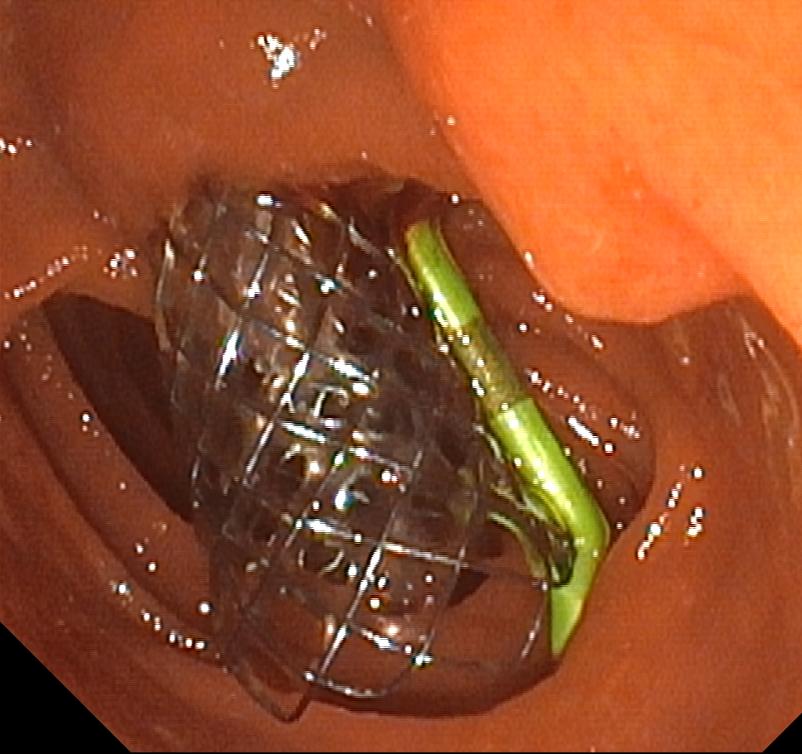
Biliary Stents for Bile Duct Cancer: What to Expect and When to Call Your Care Team
A biliary stent is a small tube placed inside a narrowed bile duct to help bile drain. In bile duct cancer, a stent may relieve problems caused by obstruction, such as jaundice and itching. It treats the drainage problem; it does not by itself remove or cure the cancer. [1,2]
Being told you need a stent can raise immediate questions: Will it hurt? Will it stay inside? How will I know if it stops working? The answers depend on where the blockage is, the procedure used, and your broader treatment plan.
This guide explains the main steps and the information to request before going home. Your procedure team’s individualized instructions take priority over general guidance.

Why Might a Stent Be Needed?
Bile normally travels from the liver through a network of ducts into the small intestine. A tumor can narrow or block a duct, preventing normal drainage. Bilirubin can build up, causing yellowing of the skin or whites of the eyes. Other symptoms may include dark urine, pale stools, itching, nausea, or reduced appetite. [1]
A stent creates a channel through the narrowed area. Improving drainage may ease symptoms and can be part of preparing for other treatment. Whether drainage is necessary, and when to do it, depends on the anatomy, symptoms, infection risk, and treatment plan.
Not everyone with cholangiocarcinoma needs a stent. A tumor that does not obstruct a major duct may not require one. Ask your specialist what problem the procedure is intended to solve in your case.
Is a Stent the Same as an External Drain?
No. An internal stent generally sits within the bile drainage system. A percutaneous drainage catheter is inserted through the skin and may drain bile into a bag outside the body, internally, or both, depending on its design and position. [2]
People sometimes use “stent” and “drain” interchangeably, but the care instructions can be very different. Before discharge, ask for the device’s exact name, where it is located, and whether any part is outside your body.
An external catheter may require specific instructions about dressings, emptying a collection bag, recording drainage, and what to do if the tube moves or leaks. Do not flush, clamp, disconnect, or adjust a drain unless your clinical team has explicitly instructed and trained you to do so.
How Is a Biliary Stent Placed?
One approach is endoscopic retrograde cholangiopancreatography, usually called ERCP. A specialist passes a flexible endoscope through the mouth and stomach into the first part of the small intestine. They use instruments, contrast, and imaging to access the bile duct and position a stent. [1,2]
Another approach goes through the skin and liver under imaging guidance. This is often described using terms such as percutaneous transhepatic cholangiography or percutaneous biliary drainage. A catheter or stent may be placed as part of that approach. [1,2]
The best route depends on the blockage, anatomy, previous procedures, and clinical circumstances. Some people need a different specialist technique if the first approach is not suitable. You do not need to choose the method alone; ask the team to explain why their recommended approach fits your situation.
Plastic or Metal: Why Does It Matter?
Biliary stents may be made of plastic or metal. They differ in size, design, expected durability, and suitability for particular plans. Plastic stents may need scheduled exchange. Metal stents can sometimes remain open longer, but the choice is not simply “metal is always better.” [1]
If surgery is being considered, the drainage plan should be coordinated with the surgical team. The location of the obstruction also affects which areas need drainage and what kind of device is suitable.
There is no single replacement schedule for every stent. Ask what type you have, whether removal or exchange is planned, and who is responsible for booking it. If no date is set, ask what follow-up or symptoms will trigger reassessment.
Preparing for the Procedure
Your hospital should explain when to stop eating and drinking. Follow its instructions rather than using a generic fasting schedule. Tell the team about allergies, previous reactions to sedation or contrast, and all medicines and supplements. [1]
Medicines that affect bleeding, and some medicines used for diabetes, may need a procedure-specific plan. Do not change them on your own. Ask the clinician managing the procedure to provide clear instructions.
If sedation is planned, ask whether you need someone to take you home and stay with you. Ask how long restrictions on driving, work, or important decisions apply. These details depend on the procedure and the hospital’s instructions.
It is also reasonable to ask whether tissue sampling is planned, how the results will be communicated, and how the drainage procedure fits with the cancer treatment discussion.
Recovery and Follow-Up
After the procedure, staff monitor you as you recover. They may check blood pressure, pulse, temperature, pain, and whether you can eat or drink. Some people go home the same day; others stay in hospital. [1]
Symptoms from obstruction may improve after drainage, but the pace is not identical for everyone. Your team may arrange blood tests to assess bilirubin and other liver-related results. A change in symptoms and laboratory results helps them judge how well drainage is working.
A stent can become blocked or move. Return of jaundice, itching, dark urine, or pale stools deserves contact with the team, even if you have a future appointment. Do not assume that symptom relief immediately after the procedure means the device will never need attention. [1]
If antibiotics are prescribed, take them according to the actual prescription. Do not keep leftover antibiotics as a substitute for urgent assessment if you later develop fever.
Warning Signs That Need Urgent Assessment
Fever or shaking chills after biliary stenting needs urgent medical advice. Infection may require hospital care and intravenous antibiotics. It is particularly concerning when accompanied by jaundice, abdominal pain, or feeling very unwell. [1]
Also follow your discharge instructions for severe or worsening abdominal pain, persistent vomiting, bleeding, or other unexpected symptoms. ERCP and percutaneous procedures have different potential complications, including infection, bleeding, and—in the case of ERCP—pancreatitis. Ask the procedural clinician which signs apply to you. [4]
If you are confused, faint, having difficulty breathing, or rapidly deteriorating, seek emergency care. If you cannot reach your usual team and the situation is urgent, do not wait for a routine callback.
For people with an external drain, sudden changes in drainage, leakage, or movement of the tube should be reported according to the team’s instructions. A trained professional should assess device problems.
A Useful Discharge Checklist
Before leaving, make sure you know:
- Whether you have an internal stent, an external drain, or both.
- What device was placed and the date of placement.
- Which symptoms require an immediate call or emergency assessment.
- The daytime and after-hours contact numbers.
- Whether antibiotics or other new medicines were prescribed.
- When blood tests or imaging are due.
- Whether an exchange or removal is planned, and who will arrange it.
- What activity, eating, and driving instructions apply to you.
Keep this information with your medication list. If you seek care at another hospital, tell staff that you have a biliary device. The Foundation provides a biliary emergency information card that may help communicate relevant information.
Frequently Asked Questions
Does a Stent Mean the Cancer Cannot Be Treated?
No. Stents can be used in different treatment situations. Their purpose is drainage. Your cancer treatment options depend on a separate assessment of the tumor and your health. [1,2]
Will I Feel the Stent Inside Me?
Experiences vary, and discomfort after a procedure should be discussed with the team. Severe or worsening pain should not be dismissed as something you simply have to tolerate.
How Long Will My Stent Last?
There is no universal answer. The device, blockage, and treatment plan affect follow-up. Ask for your own exchange or monitoring plan rather than relying on a general estimate. [1]
Can a Stent Become Blocked Again?
Yes. A blocked stent may need to be cleared or replaced. Returning jaundice or itching, and particularly fever or chills, should prompt contact with the clinical team. [1]