
CA 19-9 and Bile Duct Cancer: What Your Results Can and Cannot Tell You
CA 19-9 is a tumor marker measured in blood. A care team may use it alongside scans, symptoms, and other tests when investigating or monitoring bile duct cancer. A high result does not prove cancer, and a low result does not rule it out. Obstruction, infection, and other noncancerous conditions can affect the number. [1,2]
An unexpected result can feel like a verdict, especially when you see it in a patient portal before speaking with your clinician. It is more helpful to think of CA 19-9 as one part of a larger picture. Its meaning depends on why the test was ordered and what else is happening.
This guide explains the main limitations and how to prepare for a discussion of your own results. It does not interpret an individual value or recommend changing cancer treatment.

What Is CA 19-9?
CA 19-9 stands for cancer antigen 19-9, also called carbohydrate antigen 19-9. It is a substance that can be measured in a blood sample. Tumor markers can be produced by cancer cells or by normal cells in response to cancer or other conditions. [1]
CA 19-9 is associated with several digestive tract cancers, including pancreatic and bile duct cancer. It is not specific to cholangiocarcinoma. A result does not identify which organ a cancer started in, and it cannot distinguish one cancer type from another on its own.
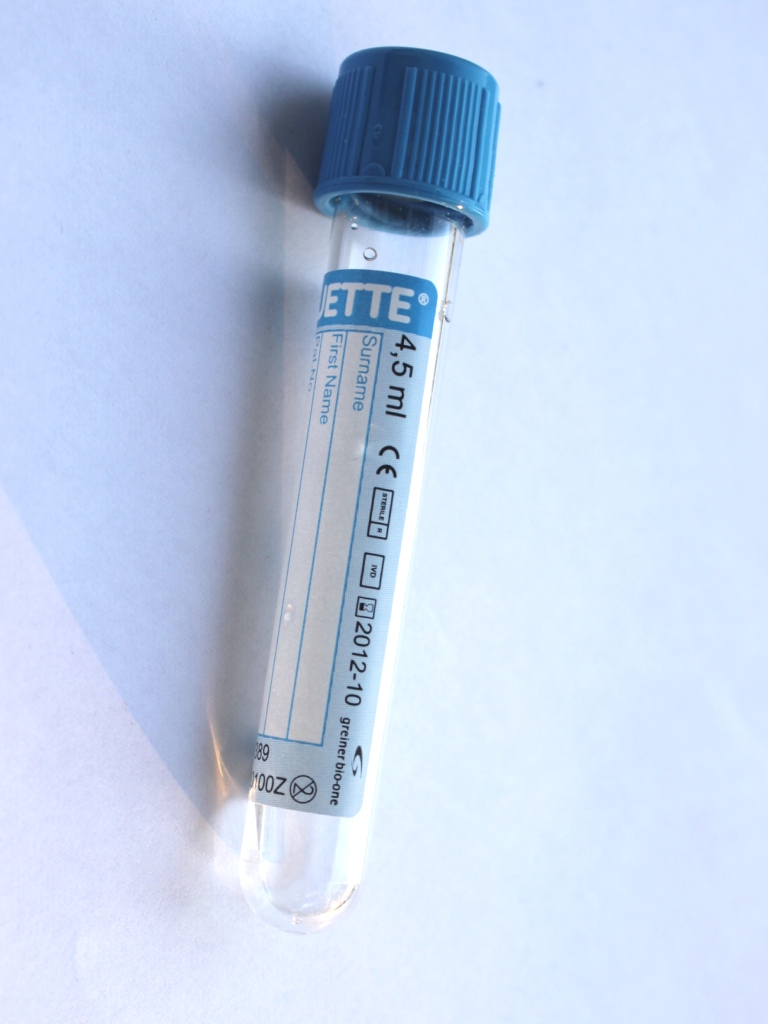
The test usually involves taking blood from a vein. Ask your team whether you need any preparation and whether supplements could affect the test. Do not stop prescribed medicines or vitamins without instructions from the clinician managing your care.
Why Might My Team Order It?
Clinicians may use CA 19-9 as supporting information during a diagnostic assessment, to monitor some cancers during treatment, or to investigate possible recurrence after treatment. Its usefulness differs from person to person. [1,2]
If your cancer produces CA 19-9 and the marker is informative for you, the team may compare results over time. They still need scans, symptoms, examination findings, and other laboratory results to judge what the trend means.
Ask what decision the test is intended to support. A result obtained during an investigation of jaundice is not interpreted in exactly the same way as a series of results during treatment for a previously confirmed cancer.
For an overview of the diagnostic process, see the Foundation’s guide to bile duct cancer.
Why Can CA 19-9 Be High Without Cancer?
MedlinePlus lists several noncancerous causes, including bile duct blockage or infection, gallstones, pancreatitis, cirrhosis, and other liver or bile duct disease. [1]
This matters when someone is being investigated for obstructive jaundice. The same person may have a high bilirubin result and a high CA 19-9 result, but those values do not establish that a tumor is responsible.
The clinician may consider whether obstruction or inflammation is affecting the marker. Depending on the clinical situation, repeating the test after treating the drainage problem or infection may provide useful context. That decision belongs to the team, not to a numerical cutoff found online.
A high value still deserves appropriate discussion. The fact that benign causes exist is not a reason to ignore the result; it is a reason to interpret it carefully.
Can Someone Have Bile Duct Cancer With a Low Result?
Yes. Some people do not produce CA 19-9 even when they have a cancer that can be associated with it. For them, this marker may not be useful. Other people may have a result within the laboratory reference interval despite cancer. [1]
A low or normal result must not be treated as a guarantee that cancer is absent, that it has not returned, or that treatment has definitely worked. Those questions require other clinical information.
If CA 19-9 has never been informative for your cancer, ask what your team will use instead to follow the disease. Imaging and the clinical assessment remain important whether or not this marker is useful.
How Should I Read the Reference Interval?
Start with the units and reference interval printed on your own laboratory report. Laboratories may use different methods, and those differences can affect comparability. MedlinePlus advises that serial tests are usually most useful when performed using the same method and often the same laboratory. [1]
There is no single CA 19-9 number that can reliably tell every patient whether a result represents cancer, a particular stage, or a particular prognosis. A laboratory’s upper reference limit is not the same thing as a diagnostic boundary for cholangiocarcinoma.
If you switch laboratories, tell the team before comparing a new result directly with older values. Keep the reports, including their dates, units, and reference intervals, rather than keeping only a handwritten list of numbers.
What Can a Trend Tell Me?
A trend may provide useful supporting evidence when the marker is informative for you. A fall during treatment may be consistent with a response; a rise may prompt further evaluation. Neither is proof on its own. [1]
Interpretation should consider whether a stent was placed or exchanged, whether you had an infection, and what imaging and symptoms show. Changes in those circumstances may influence the result.
It is understandable to want to compare every test with the last one. Ask your team how much weight they place on the trend in your case and when they will review it alongside scans. Avoid assuming that one change means treatment must immediately be stopped or replaced.
Can CA 19-9 Tell Me My Cancer Stage or Life Expectancy?
Not by itself. Staging depends on where the cancer is, its extent, and whether it has spread. Imaging and other clinical findings are central to that process. [2]
Although clinicians may consider tumor markers in an overall assessment, a value cannot be translated into a personal survival estimate from a generic internet chart. People with similar values may have very different medical situations.
Ask your clinician which findings actually determine your stage and treatment options. The Foundation’s prognosis guide can help frame the conversation without treating population information as a prediction for one person.
Is This the Same as Molecular Tumor Testing?
No. A CA 19-9 blood test measures a marker. Molecular profiling examines characteristics of cancer cells, or sometimes tumor-related material in blood, to investigate changes that may be relevant to treatment.
The tests answer different questions. A tumor marker result cannot tell you whether a particular molecular alteration is present or whether you qualify for a targeted therapy. If you have a confirmed diagnosis, ask the oncology team which testing is appropriate and how the results might affect the treatment discussion.
Likewise, an inherited genetic test is a separate type of investigation. The presence of the word “blood” in a test description does not mean all blood tests are interchangeable.
When Symptoms Matter More Than Waiting for a Number
Do not wait for a scheduled CA 19-9 result if you develop urgent symptoms. Fever or shaking chills with jaundice or abdominal pain may indicate a bile duct infection, especially if you have a stent, and requires urgent assessment. [3]
Report new or worsening jaundice, dark urine, pale stools, or itching to your team. These signs may need investigation of bile drainage regardless of the tumor marker value.
Your team’s instructions for fever during cancer treatment take priority. Keep both the routine and after-hours contact numbers available so you know whom to call when the clinic is closed.
Questions to Ask About Your Result
- Why was CA 19-9 ordered at this point in my care?
- Is this marker known to be useful for my cancer?
- Could obstruction, infection, or another condition affect the result?
- Was it tested using the same method as before?
- What do the scans and other blood tests show?
- Does the result change the plan, or do we need more information?
- When will we discuss the full picture rather than this number alone?
If you are waiting for a callback, tell the office which result you are concerned about and whether you have any new symptoms. A clear question is often more useful than trying to interpret an isolated value yourself.
Frequently Asked Questions
Does a High CA 19-9 Mean I Have Bile Duct Cancer?
No. It can rise in several cancers and noncancerous conditions. It cannot diagnose cholangiocarcinoma by itself. [1]
Does a Normal Result Mean I Am Cancer-Free?
No. Some people do not produce the marker, and the test is not a reliable exclusion test. [1]
Can a Blocked Stent Affect the Result?
Bile duct obstruction and infection can affect CA 19-9. Tell your team about possible drainage symptoms so they can interpret the result appropriately. [1,3]
Should Treatment Change Because of One Result?
That decision requires your oncology team’s assessment of the wider clinical picture. Do not change or stop treatment based on a single marker value.