
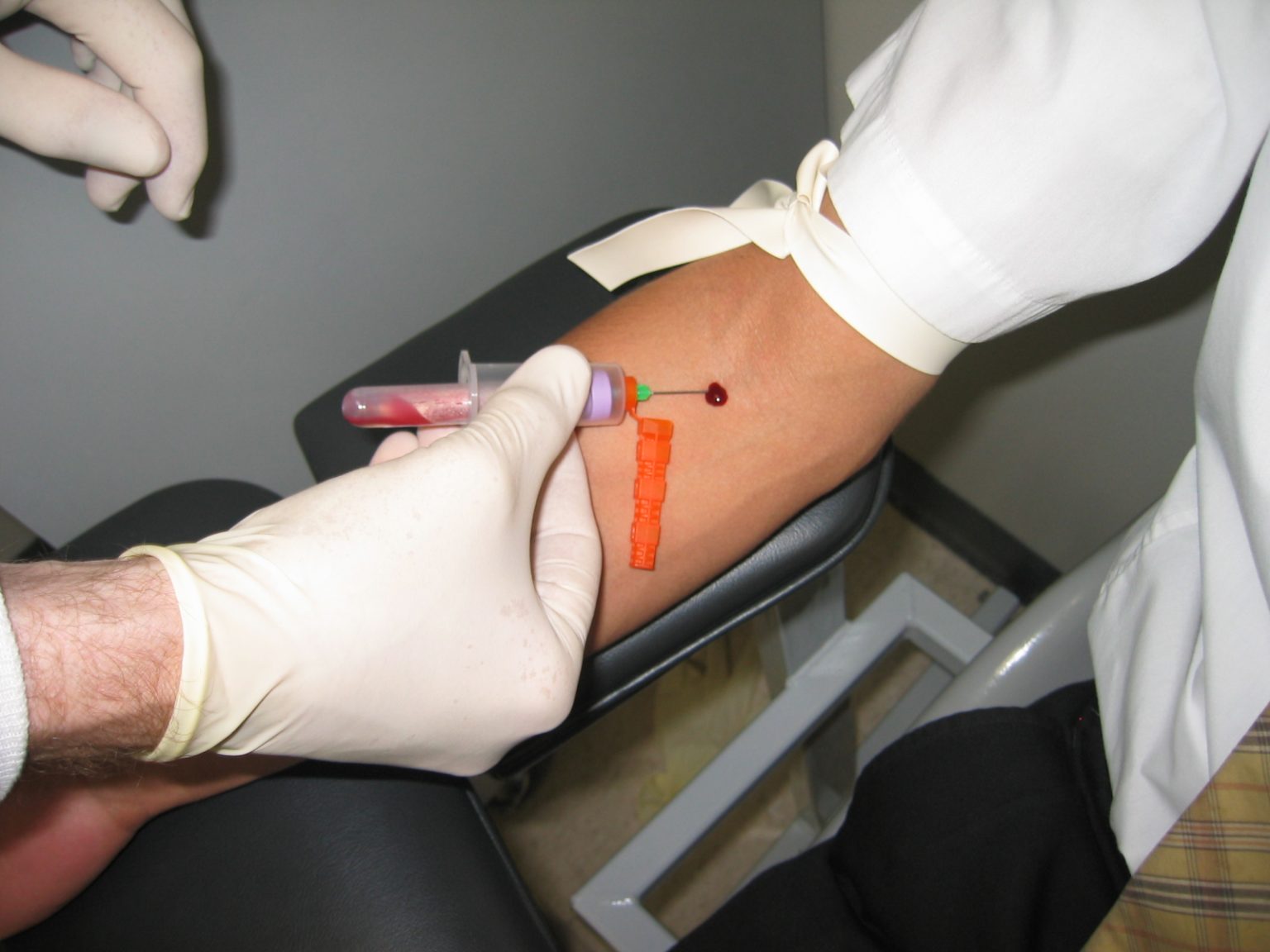
High Bilirubin: What It Means and When Bile Duct Cancer Is Considered
High bilirubin means that more of a yellow pigment is circulating in your blood than expected. It can happen because of a bile duct blockage, liver disease, increased breakdown of red blood cells, or other conditions. Bile duct cancer is one possible cause, but a bilirubin result alone cannot diagnose it. [1,2]
Seeing an abnormal laboratory result can be unsettling, especially if you are waiting for an explanation. The useful next question is not simply “How high is the number?” It is “Why is it high, and what should happen next?” Your symptoms, the type of bilirubin measured, other blood tests, and sometimes imaging help your clinician answer that question.
This guide focuses on adults. Newborn jaundice follows different assessment and treatment pathways. It provides general education, not a diagnosis or instructions to change your treatment.
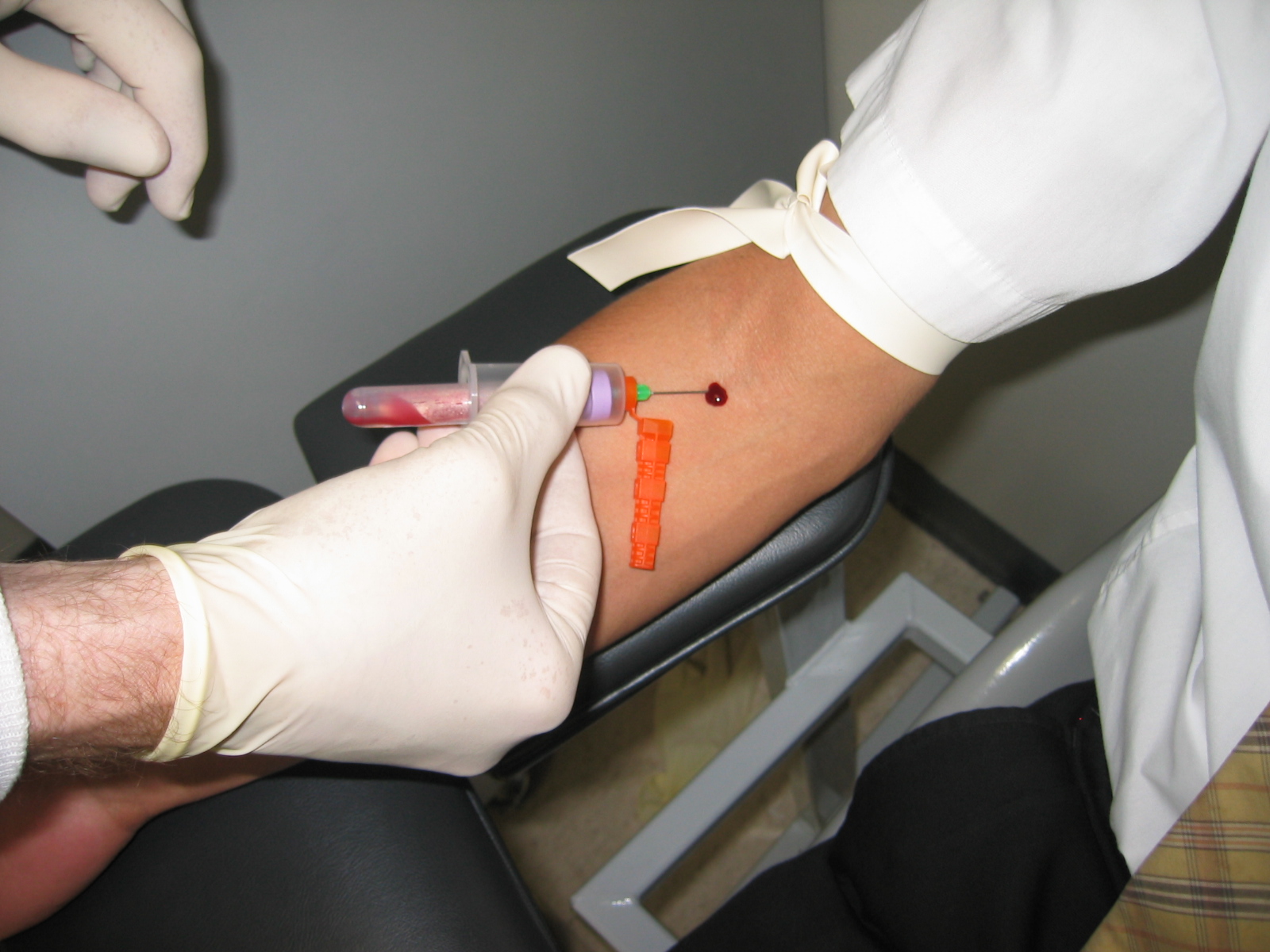

What Is Bilirubin?
Your body continually replaces aging red blood cells. Bilirubin is produced during the breakdown of those cells. The liver processes it so it can leave the body in bile, a fluid that travels through the bile ducts into the digestive system. [1]
A report may list total bilirubin, direct bilirubin, and sometimes indirect bilirubin. Total bilirubin includes both the direct and indirect portions. Direct bilirubin is also called conjugated bilirubin; indirect bilirubin is also called unconjugated bilirubin.
These categories help clinicians investigate the cause. A result dominated by indirect bilirubin may lead to different questions than a result dominated by direct bilirubin. Neither pattern, by itself, establishes cancer. Use the reference interval printed on your own report, because laboratory ranges and units can differ. [1]
Bring the original report to your appointment rather than copying a number without its units. If you have older results, those can help show whether the change is new, longstanding, or increasing.
Why Can Bilirubin Be High?
Several different processes can affect bilirubin. Your clinician may investigate whether your body is producing more bilirubin, whether the liver is processing it normally, and whether bile can drain properly.
Possible explanations include:
- Gallstones or a noncancerous narrowing of a bile duct.
- Inflammation or other disease affecting the liver.
- Increased destruction of red blood cells.
- An inherited processing condition, such as Gilbert syndrome.
- A tumor affecting the liver, bile ducts, pancreas, or gallbladder. [1,2]
Medications and supplements also matter. Tell your care team about prescriptions, nonprescription products, and herbal remedies. Do not stop a prescribed medicine because you suspect it caused an abnormal result; ask the prescribing clinician what to do.
The list is not a ranking of what is most likely for you. A person with a small, longstanding abnormality and no symptoms needs a different assessment from someone with new jaundice, abdominal pain, and fever. A clinician must interpret those circumstances together.
How Can Bile Duct Cancer Affect Bilirubin?
Bile duct cancer, also called cholangiocarcinoma, starts in the ducts that carry bile. A tumor can narrow a duct and slow or block drainage. Bilirubin can then build up in the blood and tissues, contributing to jaundice. [2]
The effect depends partly on where the tumor is. A tumor involving ducts outside the liver can cause obstruction, while a tumor within the liver may have a different presentation. Not everyone with bile duct cancer has high bilirubin or obvious jaundice. A normal result therefore does not reliably rule the disease out.
For background on these locations, see the Foundation’s guide to what bile duct cancer is. The point of the bilirubin test is to identify a problem that deserves explanation—not to determine the tumor’s location, type, or stage on its own.
Symptoms to Report Promptly
Contact a health care professional promptly if you develop yellowing of the skin or whites of the eyes, dark urine, pale stools, persistent itching, unexplained weight loss, or new abdominal discomfort. These findings can occur with bile duct cancer, but they also occur with noncancerous conditions. [2]
Fever or shaking chills with jaundice or abdominal pain can indicate a serious bile duct infection. Seek urgent medical assessment rather than waiting for a routine appointment. This is particularly important if you already have a biliary stent or drain. [3]
If you are confused, faint, severely unwell, or having difficulty breathing, seek emergency care. Follow any more specific emergency instructions your oncology or procedure team has given you.
It can help to write down when symptoms started and whether they are changing. Do not wait to collect a perfect symptom record before seeking care when warning signs are present. The Foundation’s symptoms guide provides additional context.
What Tests Might Your Clinician Order?
The evaluation often begins with your medical history, examination, and additional blood tests. Liver-related tests can help show whether the pattern suggests impaired drainage or another liver problem. A clinician may also investigate red blood cell breakdown or other explanations when appropriate. [1,2]
Imaging may include ultrasound, computed tomography (CT), or magnetic resonance imaging (MRI). Magnetic resonance cholangiopancreatography (MRCP) is a type of MRI used to examine the bile and pancreatic ducts. These tests can help identify a blockage and investigate what is causing it. [2]
Some people need an endoscopic or image-guided procedure. Endoscopic retrograde cholangiopancreatography (ERCP) can examine and treat certain bile duct blockages and may allow tissue sampling. Other approaches may be more suitable depending on the anatomy and the treatment plan. Not everyone needs every test, and the sequence should be decided by the clinical team. [2]
If a potentially operable tumor is suspected, specialist planning matters before an invasive procedure. Ask who is coordinating the imaging, sampling, and possible drainage so the steps support the overall treatment plan.
Is CA 19-9 the Same as Bilirubin?
No. Bilirubin is a pigment related to red blood cell breakdown and liver processing. CA 19-9 is a tumor marker that can be measured in blood. Clinicians sometimes use it alongside other tests when investigating or monitoring certain cancers. [2,4]
CA 19-9 can also rise with a bile duct blockage, infection, or other noncancerous conditions. It cannot diagnose cancer on its own. A team may reassess it after treating an obstruction, depending on the circumstances. A bilirubin result and a CA 19-9 result answer different questions, and neither replaces imaging or a complete diagnostic evaluation.
What Happens If a Bile Duct Is Blocked?
Treatment depends on the cause and the person’s condition. Some people need a stent or drain to help bile flow. Others need treatment for gallstones, infection, liver disease, or a tumor. [2,3]
A biliary stent is a small tube placed to keep a narrowed duct open. It can help relieve problems caused by obstruction, but it does not by itself remove or cure a cancer. Placement, follow-up, and replacement decisions belong to the care team.
After drainage, clinicians may monitor symptoms and blood tests. Improvement is not identical for everyone. If yellowing or itching returns, or fever develops, contact the team rather than assuming the next scheduled test will be soon enough.
Questions to Take to Your Appointment
- Is the rise mainly in direct or indirect bilirubin?
- How does this compare with my previous results?
- Do the other blood tests suggest a drainage problem or liver disease?
- What noncancerous explanations are being considered?
- Do I need imaging, and what will it help clarify?
- If there is a blockage, who will decide whether drainage is needed?
- When should I expect results, and whom should I call if symptoms worsen?
Before leaving, ask for a clear next step. Knowing the date of the next test and the right contact number can make an uncertain period more manageable.
Frequently Asked Questions
Does High Bilirubin Mean I Have Cancer?
No. Many noncancerous conditions can raise bilirubin. Your clinician needs to investigate the cause using your symptoms, history, and other test results. [1,2]
Can Bile Duct Cancer Occur With Normal Bilirubin?
Yes. Bilirubin is not a reliable stand-alone screening or exclusion test for bile duct cancer. Tumor location and whether bile drainage is affected influence the result. [2]
Can I Lower Bilirubin With Diet or a “Liver Detox”?
Diet cannot reliably correct an unexplained bile duct blockage. Do not substitute supplements or detox products for an evaluation. Ask your clinician about safe nutrition and any products you are considering.
Should I Wait If I Have Jaundice and Fever?
No. Seek urgent assessment, especially with abdominal pain, shaking chills, or a biliary stent. Infection can require hospital treatment. [3]