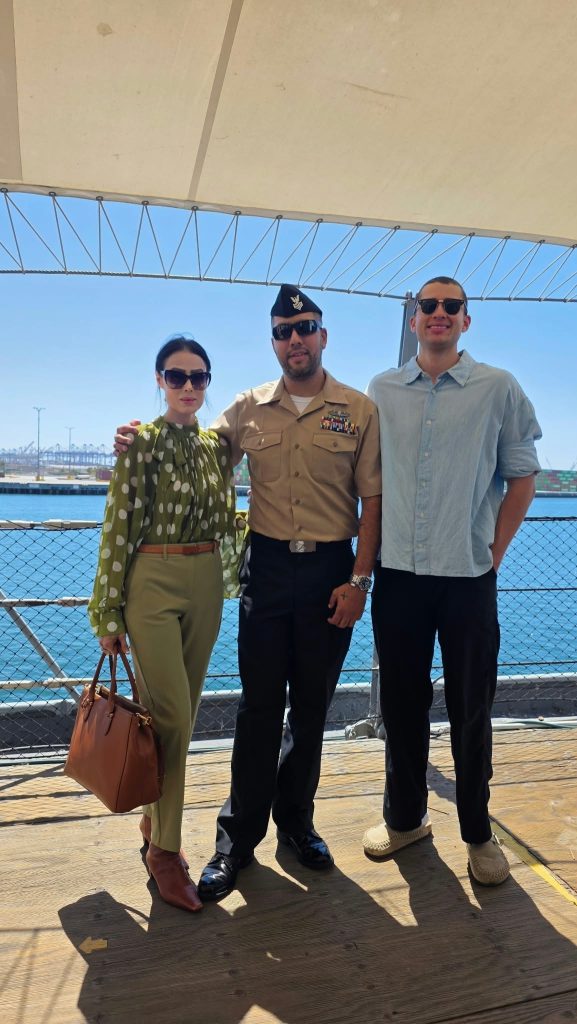
Mother and Son: Caring for Each Other through Cancer
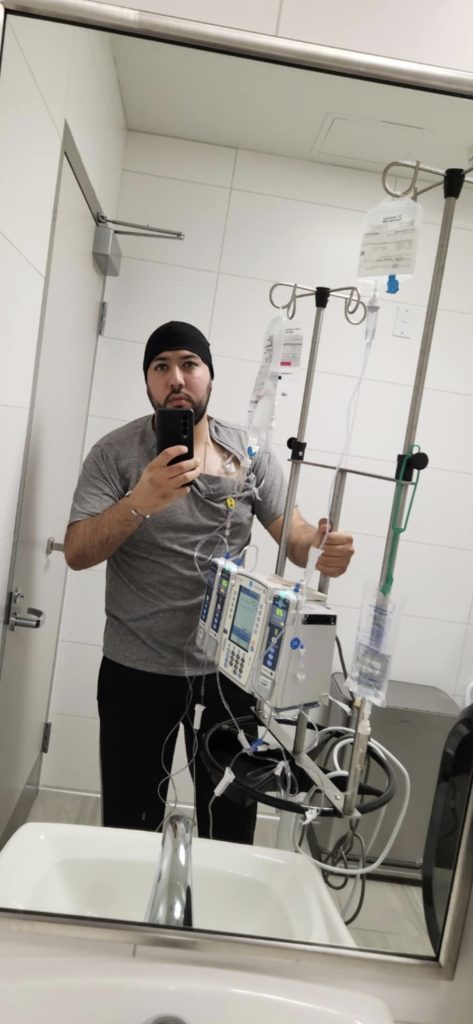
When a mother and son both face cancer, the roles of caregiver and patient can change in unexpected ways. For this mother and son, their journeys brought them together in a powerful way. When Ana was diagnosed with stage IV cholangiocarcinoma, her son Jay requested emergency travel assistance through the American Red Cross to return home from his military deployment in Africa and help care for her. Just 52 days after her diagnosis, he received a cancer diagnosis of his own. Through surgeries, treatments, and difficult recoveries, they have continued to care for and encourage one another, finding strength in their faith, their bond, and the hope they share.
A Q&A with Ana
Where are you in your treatment, and what were those first few months like?
My symptoms began a few years ago. By September 10, 2022, the pain, abdominal swelling, hair loss, rapid weight loss, and monthly bleeding had worsened significantly. At the time, I was told these were normal aspects of aging and menopause.
As the pain continued, I requested a scan in June 2024. The results revealed stage IV metastatic cholangiocarcinoma.
Following my diagnosis, I underwent surgery to remove the left lobe of my liver, gallbladder, and bile duct. I needed two blood transfusions and spent a month in the hospital. I then began chemotherapy and radiation, particularly after a tumor on my right second rib was initially missed.
When my GI doctor shared the diagnosis, I was in shock. I sat in my car and cried, unable to believe it had taken so long to find the cancer, especially considering how aggressive the disease is and the poor prognosis I was given.
After asking God, “Why me?” I realized that question would not help me. I placed myself in our Creator’s hands and decided to fight.
That mental battle was not easy, and the months of treatment that followed were intense. Chemotherapy and radiation were difficult. I struggled to walk straight, experienced constant nausea, and found the drives between the hospital and home grueling. I lost my hair, experienced severe pain, and dropped to 80 pounds. Eventually, palliative care was sent to my home, but I sent them away.
Through it all, I never stopped working because keeping my mind busy helped me. Just when I thought I was improving after treatment ended, I began immunotherapy. Unfortunately, it did not work, and the cancer returned in my right lobe in May 2025.
My oncologist prescribed daily medication and referred me to City of Hope. There, I underwent a robotic liver resection and three liver ablations, all of which required difficult recoveries.
The medication also caused severe side effects, including losing my hair again, my nails lifting from their beds, and developing hives, blisters, and brown spots on my body.
Despite everything, I am blessed to still be here, and my condition is currently stable. I am a testimony to our Heavenly Father, who guided my medical team throughout this journey.
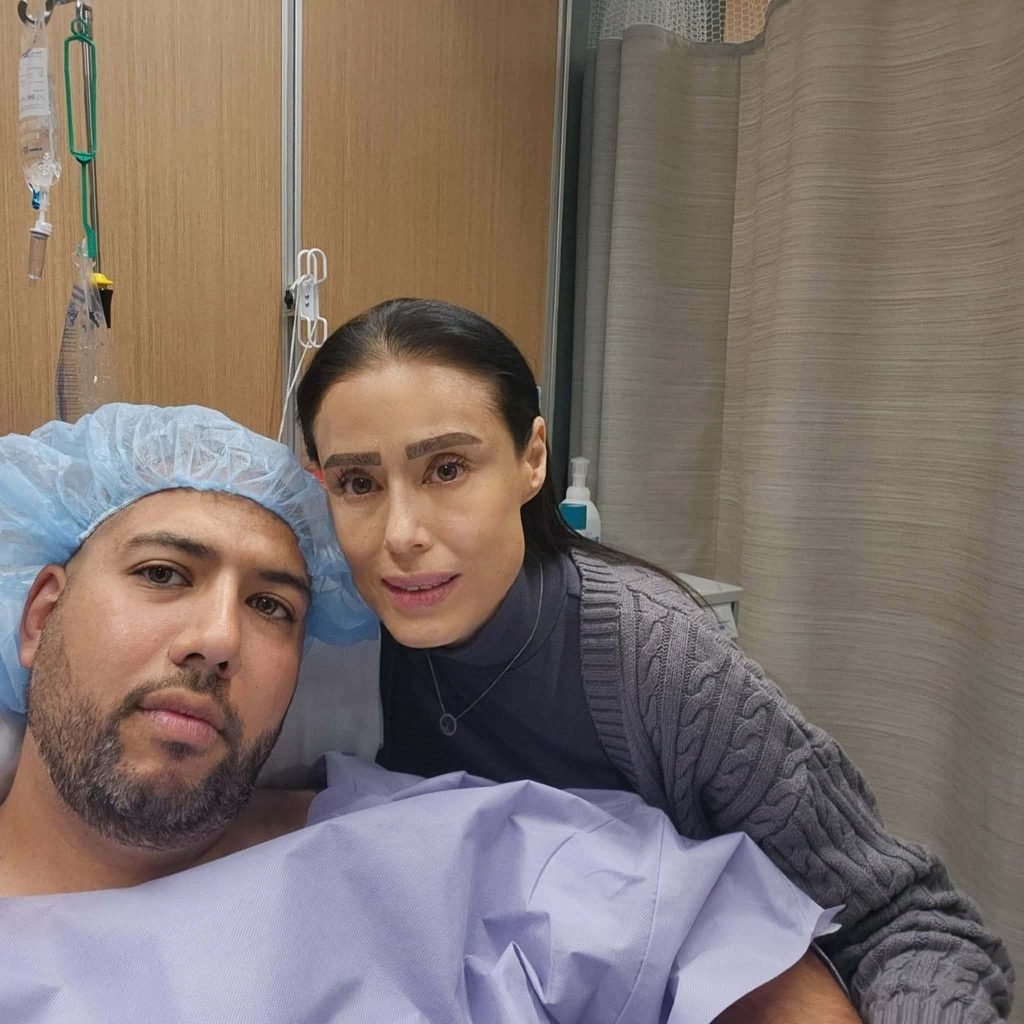

How do you and Jay care for each other as you go through your treatments?
I am so thankful I had my son by my side during my procedures. He arrived in California the night before my liver resection and stayed with me throughout the entire experience.
He was incredibly attentive, asking detailed questions to understand the reasons behind everything, including when my lung collapsed and when the tumor on my rib was missed. His thoroughness even prompted the surgeon to ask if he worked in the medical field. He refused to accept an answer without understanding the full details.
I am deeply grateful for his support and advocacy. He managed my appointments and paperwork, called other hospitals to explore treatment options, and researched as much as he could.
Unfortunately, just 52 days after my diagnosis, my son was diagnosed with testicular cancer. Even while undergoing his own treatment, he continued to send me food and check in on me.
Because I was immunocompromised, weak, and afraid, I was only able to call and visit him a couple of times. Still, our mutual support and encouragement never wavered.
Are there certain things you two do to encourage each other?
We have always had great communication, and I am glad that has continued. We regularly check in with each other, ask about our eating habits, and remind each other about scans and appointments.
We try to participate in events that give hope to others. After appointments, we lift each other up by sharing our experiences and remembering how far we have come.
Even on tough days, we remind ourselves that things cannot be worse than what we have already experienced. It is okay to have a moment, but do not stay there too long. Bounce back, make steady progress, and keep pushing through the challenges.
How is Jay doing?
He is making steady progress.
What would you tell new patients?
Maintain a fighting mindset. The journey is not easy, but please do not give up.
Avoid searching the internet for medical information because not everything you read applies to your specific situation. Instead, try reading or finding other activities to keep your mind occupied.
What would you tell new caregivers?
Be a listening ear and avoid pushing too hard. Just be there without restrictions.
Encourage your loved one to get out of bed, sit in the sun when possible, and read. It can be difficult to fully understand what someone is going through unless you have experienced a major health challenge like cancer yourself.
Encourage them to join a support group if they are willing, especially one with people who understand what it is like to navigate a cancer diagnosis.
What else would you like to share?
Trust in God. He will help you if you help yourself. Mindset is everything!