
You Are a Person, Not Just a Diagnosis: Antonio’s Story
Diagnosed with cholangiocarcinoma in December 2024, Antonio from Italy shares how surgery, chemotherapy, the support of loved ones, and the stories of others in the community helped him navigate uncertainty and find his way back to everyday life. Today, he reflects on the importance of early diagnosis, living in the present, and seeing the person beyond the diagnosis.
When were you diagnosed, and what were the first few months like?
I was diagnosed in December 2024. The first few months were very hard. My world fell apart, and I didn’t fully understand what was happening. I was fortunate that the disease was found at an early stage, making surgery possible.
The hardest period came several months after the operation, when doubts about the future and fear of recurrence became constant. I was terrified of the future, or more accurately, of the possibility of having no future.
Today, nearly two years later, that period feels like a bad memory. Along with my friends and family, Syd Towle’s videos gave me strength. We were almost the same age, and even though I had never met her, I felt that she understood what I was going through.
What was your treatment path?
I had Whipple surgery to remove the cholangiocarcinoma, followed by adjuvant chemotherapy. I also underwent comprehensive biomarker testing and continue to have testing periodically as part of my follow-up care.
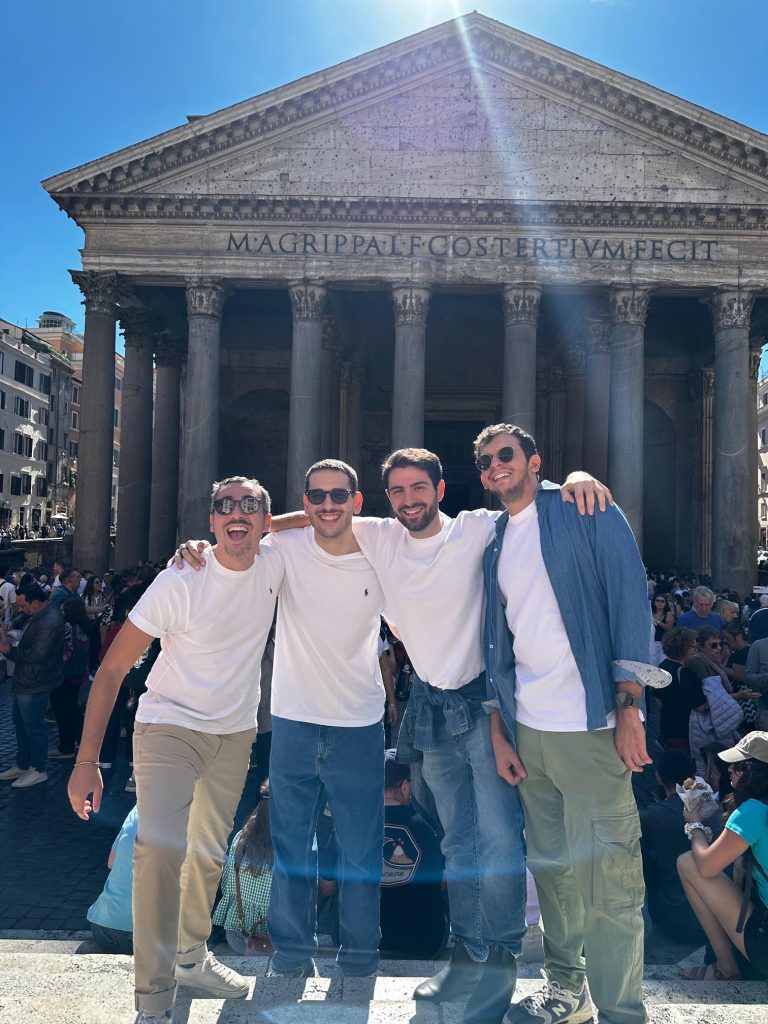
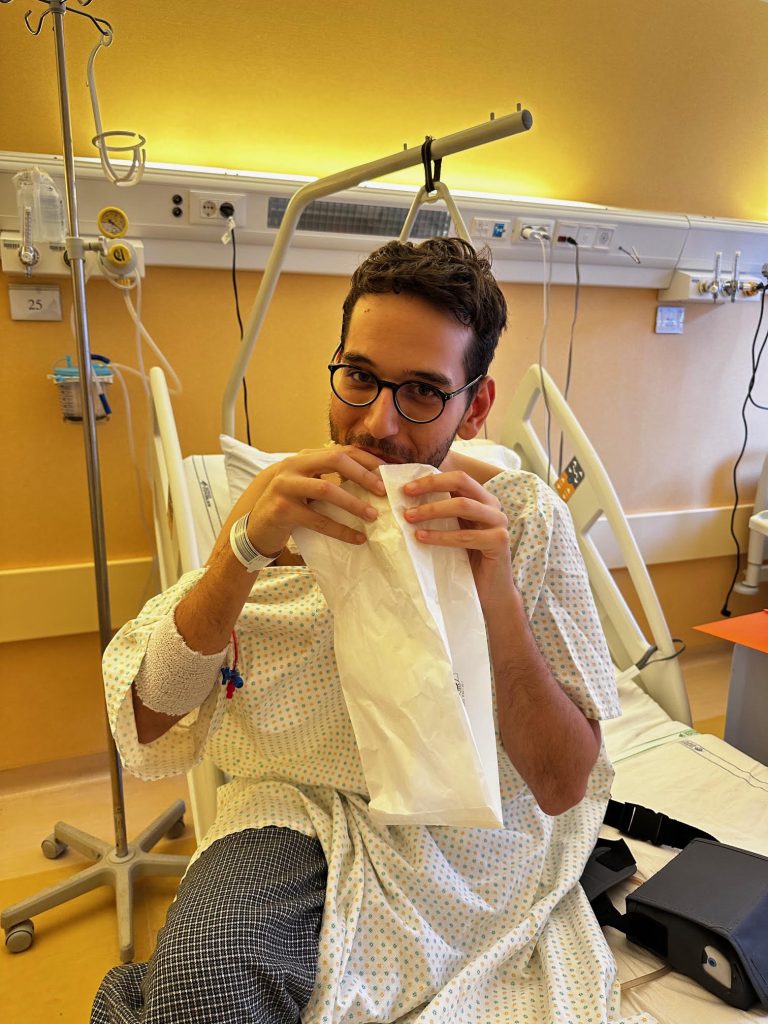
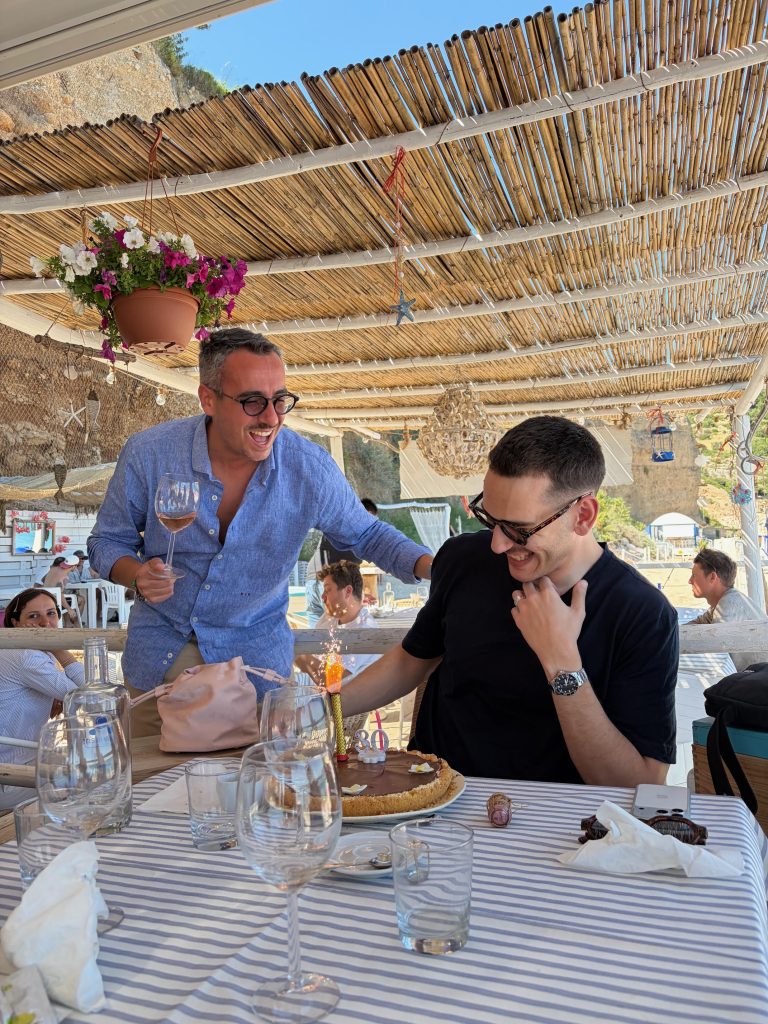
What is your life like now?
I’ve returned to my life before cancer, and the illness now feels almost like a distant memory. I have to take more precautions and pay closer attention to my health because of the surgery, but in many ways, my life is much the same as before. I exercise five times a week, pay close attention to my diet, and continue to study and work as I did before.
What support systems did you use?
During my darkest moments, my friends and family were my greatest source of strength. They were always there for me. Syd’s videos also helped me feel less alone and reminded me that others understood what I was experiencing.
What advice would you give others diagnosed with cholangiocarcinoma?
Don’t face this alone. Lean on the people around you and seek out those who can truly understand what you’re going through. Don’t be afraid to show vulnerability or admit when you’re struggling. That’s part of the journey.
You don’t have to be a “warrior” or stay positive all the time. It’s normal to feel scared, angry, or tired. Remember that you are a person, not just a diagnosis.
What helped me most was learning to live in the present and appreciate every day, every moment, and every instant with my loved ones. I try to limit negative thoughts about the future as much as possible because we don’t know what will happen. We can only embrace the present.
Why do you think it is important to spread awareness?
We should never take our health for granted. It is important to talk about cholangiocarcinoma because it is a rare disease that is often overlooked, sometimes even by doctors. Raising awareness can help lead to earlier diagnoses, which made surgery possible in my case.
For me, returning to exercise and paying attention to my diet also made a big difference. At the same time, I know that illness is never a reflection of a person’s character or how hard they try.
Awareness also means changing the way we talk about cancer. Too often, people with cancer are met with pity or the language of “battle”: you are a warrior, you have to fight, you have to be strong. Even when these words come from the best intentions, they can shift the focus to the disease instead of the person.
Having cancer does not automatically make someone a hero, a victim, or a source of inspiration. A person can be scared, angry, or tired. They may want to talk about something else, or simply stop being defined by their illness.
Cancer is not a moral test. You do not recover because you were positive enough, and your condition does not worsen because you gave up. Moving beyond pity does not mean withholding support. People with cancer do not need to be pitied; they need to be heard.
The most meaningful thing we can do is treat a person with cancer as what they are: a person.