
Can Bile Duct Cancer Be Detected Early? Blood Tests and the Galleri Test
Bile duct cancer can sometimes be found before it has spread extensively, but there is no established routine screening test for people at average risk. Blood tests can support an investigation; they cannot reliably diagnose or rule out the disease on their own. Galleri is a multi-cancer detection test, not a replacement for diagnostic assessment or recommended cancer screening. [1–3]
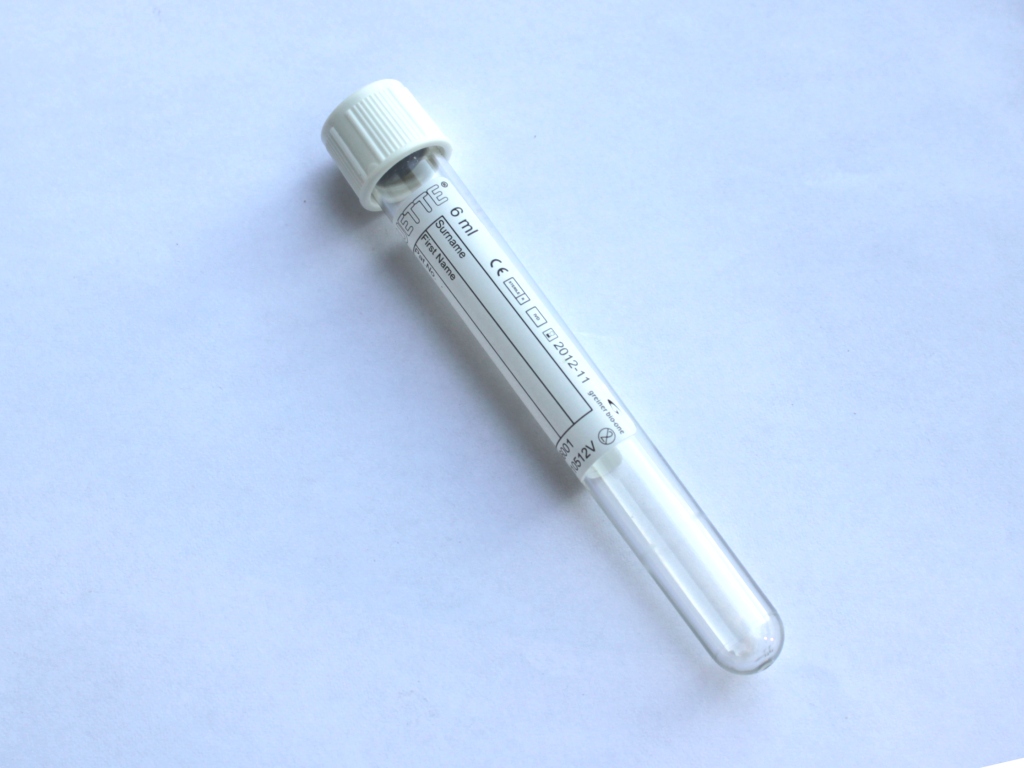
When you hear about a blood test that looks for many cancers, it is reasonable to wonder whether it could find cholangiocarcinoma early. The important distinction is between a test that detects a possible signal and a test proven to improve people’s health. Those are not the same thing.
This guide explains what current tests can tell you, what they cannot tell you, and which questions to ask. It does not recommend buying a commercial test or delaying an assessment of symptoms.

Screening and Diagnosis Are Different
Screening checks people who do not have symptoms for signs that might indicate cancer. Diagnosis investigates a symptom, abnormal test, or suspicious finding to determine what is happening. [3]
For bile duct cancer, diagnostic testing may start after jaundice, itching, abdominal discomfort, unexplained weight loss, or an abnormal liver-related blood test. Some tumors are found during imaging performed for another reason. [1,2]
A screening test does not confirm cancer. A positive screening result requires additional evaluation, and a negative result can miss disease. Diagnostic testing also has limitations, but its purpose is to investigate a particular clinical concern rather than make a broad prediction in someone without symptoms.
Knowing which type of testing you are being offered helps you judge what a result actually means and what follow-up should look like.
Why Is Early Detection Difficult?
The bile ducts are inside the body, and an early tumor may not cause a clear symptom. Signs can overlap with gallstones, liver disease, and other conditions. There is no routine population screening test that reliably resolves those challenges. [1,4]
Where a tumor begins can affect the presentation. A cancer near a major duct may obstruct bile and cause jaundice. A tumor in smaller ducts within the liver may have a different pattern. The absence of jaundice does not rule out cholangiocarcinoma.
Finding disease earlier may expand treatment options for some people, particularly when surgery is possible. However, “early detection” is not a promise of cure. The tumor’s location, extent, and the person’s health all influence the treatment plan. [2]
See the Foundation’s overview of bile duct cancer for the main anatomical types.
What Can Routine Blood Tests Show?
Liver-related blood tests may measure bilirubin, alkaline phosphatase, and other substances. Abnormal results can suggest a liver or bile drainage problem. They do not reveal its cause by themselves. [2]
Bilirubin may rise if a tumor blocks bile flow, but it can also rise for noncancerous reasons. Some people with bile duct cancer do not have an elevated bilirubin level. A normal result should therefore not be used to dismiss persistent, unexplained symptoms.
Blood tests are most helpful when the clinician considers the pattern, symptoms, previous results, and imaging together. If your result is abnormal, ask what explanation is being investigated and what the next step will be. Repeating a test may be appropriate in some circumstances, while others need prompt imaging or specialist assessment.
Can CA 19-9 Detect Bile Duct Cancer Early?
CA 19-9 is a blood-based tumor marker that may be used in the investigation or monitoring of certain cancers, including bile duct cancer. It is not a dependable stand-alone screening test. [2,5]
A high result can occur with bile duct obstruction or infection, gallstones, and other noncancerous conditions. Some people do not produce CA 19-9, even when a cancer is present. A low result therefore cannot provide an all-clear.
Your clinician may use CA 19-9 alongside scans and other information. The result is not equivalent to tumor tissue testing, which can investigate molecular changes relevant to treatment after a cancer diagnosis. Ask which question the test is intended to answer before treating a number as a diagnosis.
What Is the Galleri Test?
Galleri is a commercially offered multi-cancer detection blood test. Its approach examines patterns in cell-free DNA, including methylation patterns, to look for a possible cancer signal. It may also suggest a likely origin for that signal. A suggested origin is not a confirmed cancer location or diagnosis. [3,6]
Multi-cancer detection tests are sometimes described as “multi-cancer early detection” tests. That wording does not mean they detect every cancer, find every early-stage tumor, or reliably exclude cholangiocarcinoma.
A blood draw may seem simple, but a positive result can begin a complicated process involving imaging, specialist appointments, and sometimes invasive procedures. Before testing, ask who will coordinate that process and how it will be paid for.
What Are the Important Limits?
A false positive means a test suggests cancer, but diagnostic evaluation does not find it. A false negative means a test does not identify a cancer that is present. Both can cause harm: unnecessary testing and worry in one situation, delayed evaluation in the other. [3]
The National Cancer Institute explains that multi-cancer detection tests have not yet been established as a way to reduce overall cancer deaths through screening. Whether the benefits outweigh the harms requires careful research. Results from a study of a broad mix of cancers should not be interpreted as a guaranteed detection rate for early bile duct cancer. [3]
Regulatory context, checked November 23, 2026: The cited NCI sources state that no multi-cancer detection tests have FDA authorization. Commercial availability or a Breakthrough Device Designation is not equivalent to FDA authorization. Regulatory status and evidence can change over time. [3]
A test’s ability to identify signals is only part of its value. A useful screening program must also lead to appropriate follow-up and meaningful benefits without disproportionate harm.
What If I Have Symptoms Already?
Contact a clinician rather than using a commercial screening test to decide whether symptoms matter. Jaundice, dark urine, pale stools, persistent itching, unexplained weight loss, or ongoing abdominal pain deserve assessment. The Foundation’s symptoms guide can help you prepare that conversation.
If jaundice or abdominal pain occurs with fever or shaking chills, seek urgent assessment. This can indicate an infection of the bile ducts, particularly in someone with a stent. [7]
A negative Galleri result does not justify ignoring symptoms. Tell the clinician about the test if you have had one, but allow the diagnostic workup to be guided by the clinical concern rather than the screening result alone.
What About People at Higher Risk?
People with conditions such as primary sclerosing cholangitis have additional risk considerations and should discuss an individualized follow-up plan with a liver specialist. A condition-specific plan is different from recommending screening for everyone. [8]
Ask which tests are suitable for your risk, what changes trigger further investigation, and how often your team wants to review you. Do not assume a general commercial screening product replaces a condition-specific plan. No surveillance approach guarantees that every cancer will be found early.
Questions Before Considering a Multi-Cancer Test
- What benefit has been shown for someone with my age and risk factors?
- What evidence specifically applies to bile duct cancer?
- What will happen if the result suggests a cancer signal?
- What happens if follow-up testing finds no cancer?
- Who pays for the test and any further procedures?
- Will I continue the standard screening recommended for me?
- How should I respond to symptoms after a negative result?
Continue established screening recommended for other cancers. Multi-cancer testing should not replace appropriate breast, cervical, colorectal, or lung screening. [3]
Frequently Asked Questions
Can One Blood Test Rule Out Bile Duct Cancer?
No. Bilirubin, CA 19-9, and multi-cancer detection tests all have limitations. Persistent symptoms may require imaging and specialist investigation even when a blood test is normal. [2,3,5]
Does a Positive Galleri Result Confirm Cancer?
No. It identifies a possible signal that requires diagnostic follow-up. It does not by itself establish a bile duct cancer diagnosis. [3,6]
Is Galleri a Proven Bile Duct Cancer Screening Program?
No. The cited evidence does not establish it as a routine, proven screening program for cholangiocarcinoma. Discuss its uncertainties with a clinician. [3]
What Is the Most Useful First Step if I Am Worried?
Explain your symptoms, medical history, and concerns to your clinician. Ask for a specific investigation and follow-up plan rather than choosing tests without a clinical question.
Sources
- NCI: What Is Bile Duct Cancer?.
- NCI: Bile Duct Cancer Diagnosis.
- NCI: Questions and Answers About Multi-Cancer Detection Tests and Cancer Screening Tests.
- American Cancer Society: Can Bile Duct Cancer Be Found Early?.
- MedlinePlus: CA 19-9 Blood Test.
- American Family Physician: Galleri Test for the Detection of Cancer, October 2022; used for the test mechanism, not as current regulatory evidence.
- Cancer Research UK: Biliary Stents.
- Cholangiocarcinoma Foundation: Could It Be Biliary Tract Cancer?, physician resource identifying risk considerations.